Seasonal Escapes
The Best Winter Sun Destinations for 2026
Where to find warmth, colour and quiet when the days draw in.
There is a particular moment, usually some grey afternoon in November, when the idea of winter sun stops being a luxury and starts to feel like a necessity. The good news is that the best winter sun destinations for 2026 are not only warm; they are at their most beautiful precisely when home is at its bleakest. Below are the places our travellers return to, and the honest reasons we send them there.
Our only rule is that warmth alone is not enough. We look for somewhere with character, calm and a sense of arrival, where the climate is dependable, the light is generous and the days unspool slowly. The five destinations that follow each deliver on that, but in very different registers. Read them less as a ranking and more as five distinct moods, so you can recognise the one that matches the winter you actually want.
A quick word on how we think about timing before we begin. The phrase winter sun is a northern hemisphere idea: it describes the European and British winter, roughly late November to April, when so many of these destinations happen to be at their seasonal best. That overlap is the whole point. You are not escaping the climate so much as travelling to where the calendar has flipped, where the dry season, the calm seas and the long bright days all line up while home is dark by four o'clock.
The Caribbean, for colour and ease
If you want guaranteed sunshine wrapped in genuine charm, the Caribbean is hard to better in the European winter, and it remains one of the most dependable winter sun destinations for 2026. From December to April the islands sit firmly in their dry season: clear skies, trade winds that keep the heat honest, calm leeward seas and that soft, forgiving light that flatters everything from a whitewashed verandah to the inside of a rum punch. This is the high season for good reason, and the weather rarely disappoints.
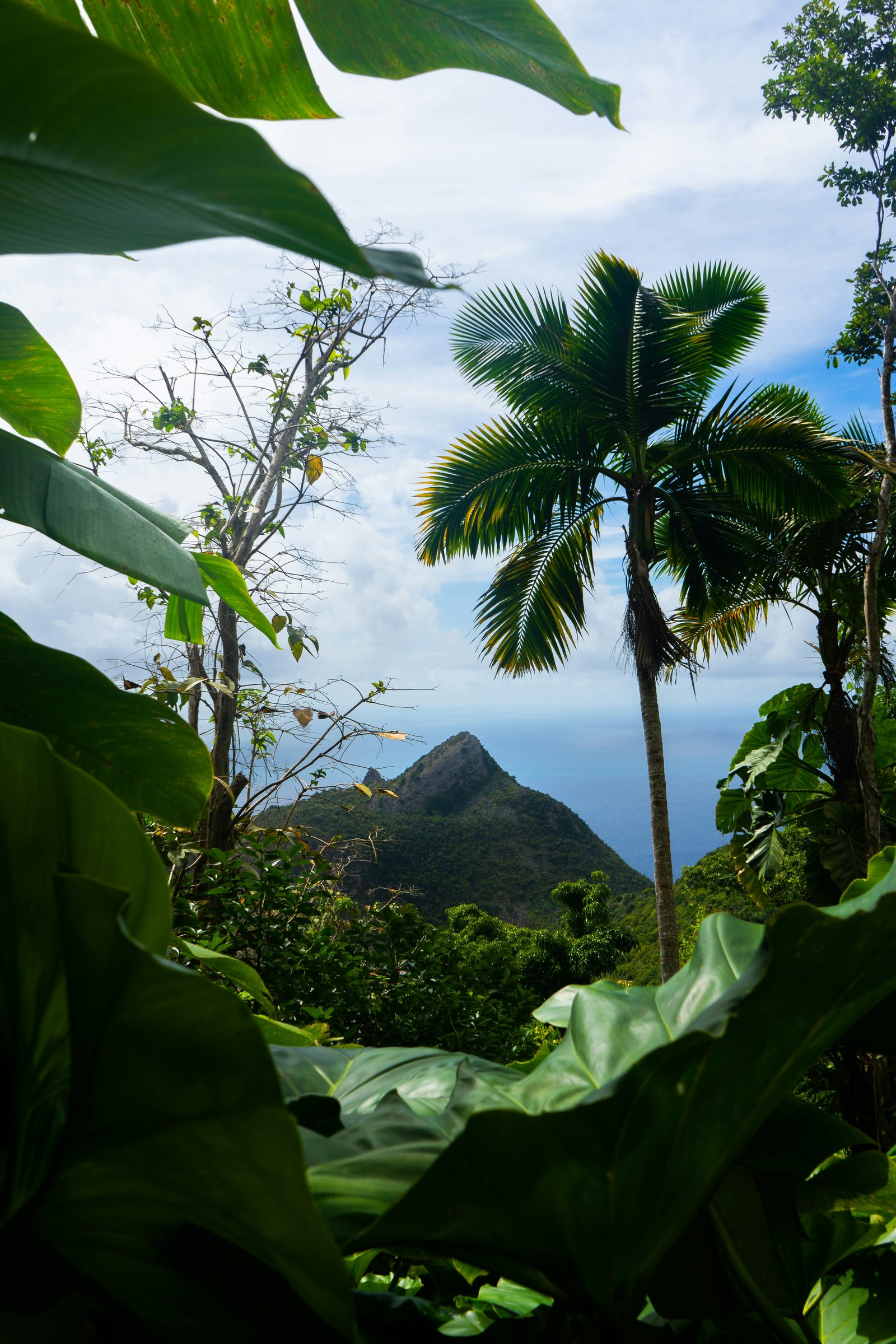
The real pleasure here is range. The Caribbean is not one place but dozens, each with its own accent and tempo. Barbados has the most polished infrastructure and the easiest flights, with the calm west coast for swimming and the wilder Atlantic east for drama and surf. Antigua trades on its beaches, famously one for every day of the year, and on the sailing crowd around English Harbour. St Lucia gives you the Pitons rising sheer out of the sea and a lushness that feels almost theatrical. Further south, the Grenadines and Mustique offer the barefoot, discreet end of the spectrum, where the luxury is in how little happens.
We tend to steer travellers towards the quieter corners, where beaches stay long and empty and the best villas come with a cook who knows which fisherman to flag down at the morning landing. A private house with staff often makes more sense here than a large resort, especially for families or groups who want to eat well without the performance of a restaurant every night. It suits couples and families equally, and the short, easy time difference, broadly four to five hours behind the UK, makes it especially kind on younger children, who tend to slip into island rhythm within a day.
The Maldives, for total stillness
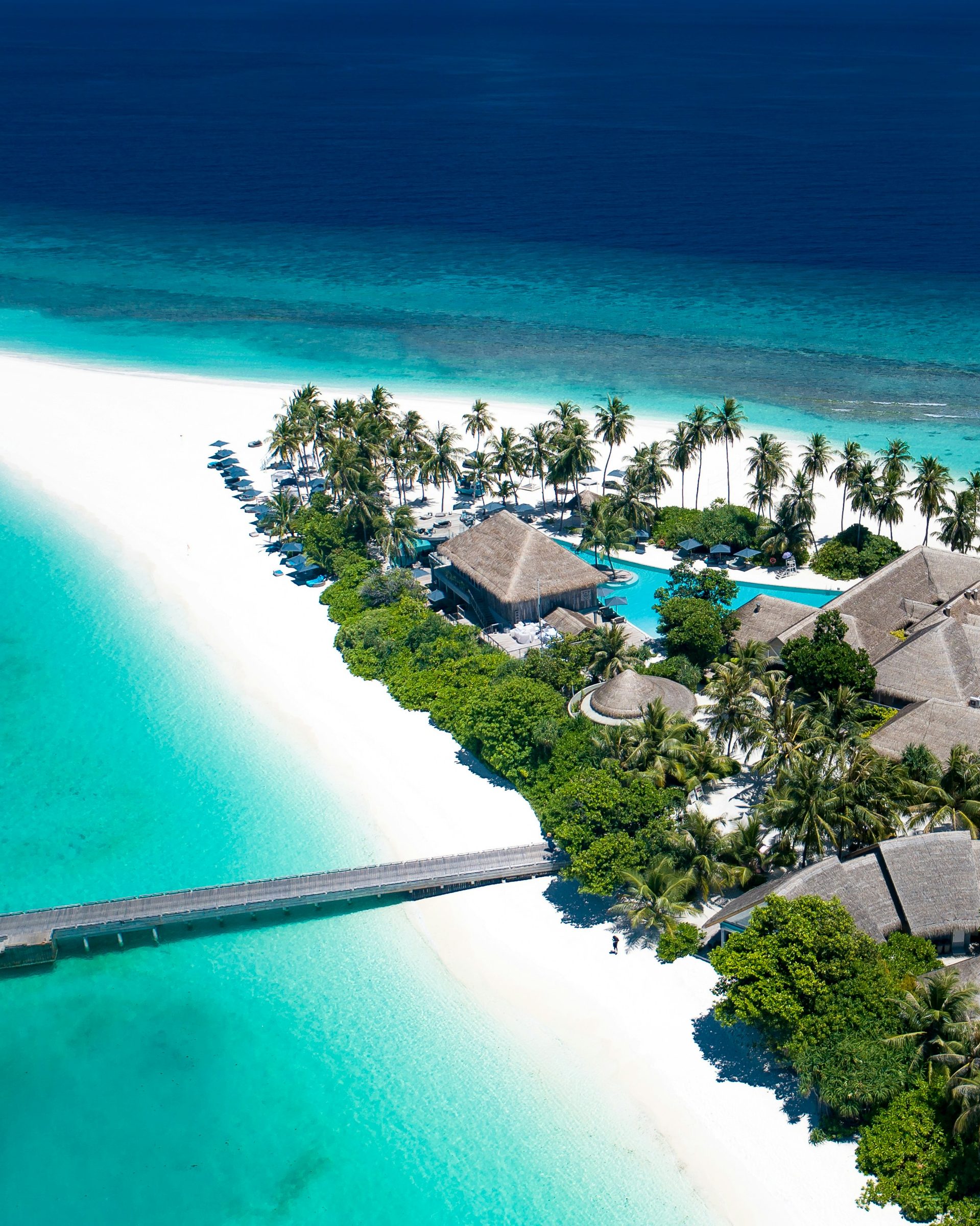
For the most reliable warmth of all, the Maldives is the answer, and winter is its finest hour. From December to April the atolls enjoy their dry north-east monsoon, the iruvai, which brings glassy lagoons, almost daily sun and underwater visibility that turns even a casual snorkel into something cinematic. This is peak season, so it is busier and dearer than the shoulder months of May or September, but it is also when the islands are at their most dependable, and dependability is precisely what you are paying for when you fly this far for a week.
The Maldives is a destination of one decisive choice: which island. Each resort occupies its own island, which means the property you pick is, quite literally, your entire world for the stay. That makes the matching unusually high stakes, and it is where our advice earns its keep. A house reef you can swim to from your steps matters enormously if you came to dive or snorkel; it is close to irrelevant if you came to lie still and read. The atoll matters too. The North and South Malé atolls are quickest from the airport by speedboat, which suits short stays and families wary of a long transfer; the further-flung atolls such as Baa, a UNESCO Biosphere Reserve famous for its manta aggregations at Hanifaru Bay, or the wild southern atolls, reward those willing to take a seaplane for the prize of real seclusion.
Think honestly, too, about overwater versus beach. Overwater villas are the postcard, and the sound of the lagoon under the floor is genuinely lovely, but they are rarely the right call for families with small children, where a beach villa with direct, gradual access to the shallows is safer and far less fraught. We will always ask how you actually like to spend a day, whether that is diving, dining, spa or doing gloriously little, before we point you anywhere.
Mauritius, for families and slow luxury
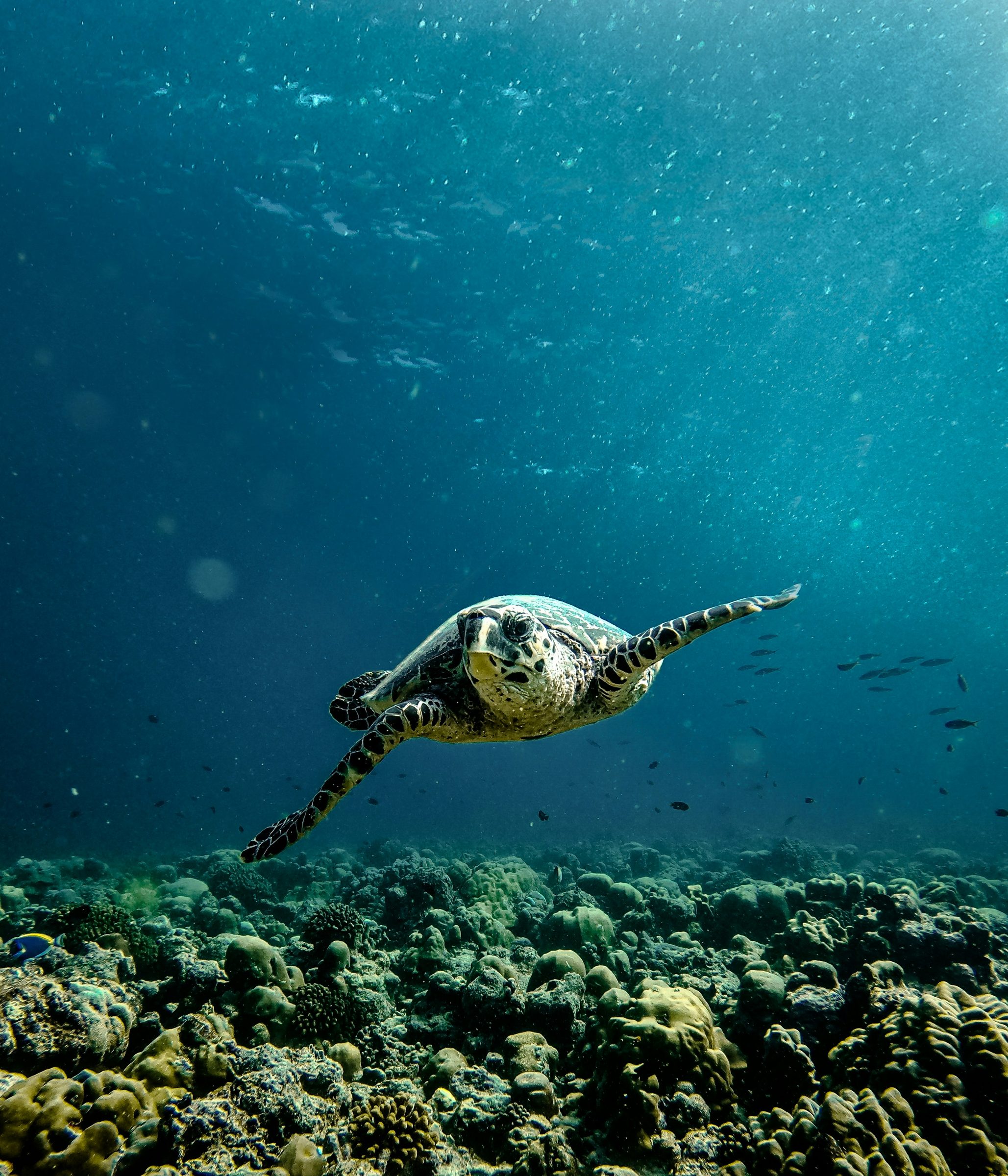
A little further south, Mauritius offers the same Indian Ocean warmth with an entirely different texture. Where the Maldives is pure distillation, a single island and a single mood, Mauritius has depth that flat beach destinations lack: a volcanic interior of green peaks and waterfalls, the colonial rum estates of the south, a botanical garden at Pamplemousses worth a morning, and a Creole food culture, equal parts Indian, French, Chinese and African, that is reason enough to travel in itself. The island sits in the southern hemisphere, so its summer falls neatly across our winter, and December through to April brings heat, warm seas and lush, green landscapes.
The geography rewards a little planning. The calm north and west coasts, around Grand Baie and Flic en Flac, are the most sheltered and the warmest, with lagoons calm enough for the smallest swimmers; the dramatic south and east, around the Le Morne peninsula, are wilder and windier, which the kite-surfers love and the toddlers do not. We often suggest Mauritius to families and to couples who want their beach days framed by something more, the sense that there is a country to explore beyond the lounger.
The resorts here understand slow luxury better than almost anywhere, the kind where nothing is rushed, the service is warm rather than starched, and the afternoons stretch out until the light goes amber. It is a fine antidote to a busy year, and it pairs beautifully with a few days on safari beforehand, a combination we arrange often for travellers who want both the wild and the soft within one trip.
Thailand, for warmth with culture
For travellers who want sun without surrendering all stimulation, Thailand is the great all-rounder among winter sun destinations. November to February is its dry, cooler season, the so-called cool months, with comfortable heat, low humidity and clear skies down the Andaman coast and across the southern islands. Timing matters by coast here, more than most people realise. The Andaman side, Phuket, Khao Lak and the Phi Phi islands, is at its best from November to April; the Gulf side, Koh Samui and its neighbours, runs to a slightly different rhythm and is often better later, into the new year and spring. Get the coast wrong for your dates and you can find rain where you expected sun, which is exactly the sort of detail we exist to catch.
What makes Thailand special is the ease of combining. You can open with a few temple-rich, food-led days in Bangkok or the cooler north around Chiang Mai, then transfer to a long, slow stretch on a quiet southern beach, all within one straightforward domestic flight. The food alone justifies the journey, from a street-side bowl of boat noodles to the tasting menus now drawing real attention in Bangkok. It is the destination we recommend when someone wants a winter escape that engages as well as restores: extraordinary food, gentle Buddhist calm and warmth, in roughly equal measure.
The Seychelles, for wild, private beauty
If the Maldives is stillness and the Caribbean is colour, the Seychelles is drama. These granite islands, scattered in the Indian Ocean off East Africa, have a landscape unlike anywhere else: vast smooth boulders the colour of pewter, jungle-clad peaks, and the giant tortoises and rare black parrots that make the inner islands feel almost prehistoric. April, at the tail of the north-west monsoon, is one of the loveliest windows, calm and clear before the windier mid-year season sets in, and the period either side of it through the European winter is reliably warm.
Mahé, Praslin and La Digue, the main inner islands, are easy to combine by short flight or ferry, and each has its own character: Mahé for arrival and the capital, Praslin for the primeval Vallée de Mai palm forest, La Digue for the famously photographed Anse Source d'Argent and a pace set by bicycles rather than cars. Beyond them lie the private-island sanctuaries, the kind of barefoot seclusion that suits a honeymoon or a milestone celebration. The Seychelles asks a little more of the traveller than a single-resort island, but it gives back a sense of genuine wilderness that the more manicured destinations cannot. To see how it sits alongside the others, our overview of where we send travellers is a useful place to start.
The practical detail that decides a trip
A beautiful destination chosen on the wrong week is a disappointment, so a few unglamorous practicalities deserve attention before you commit. The first is flight time and the journey itself. The Caribbean and the Indian Ocean both sit at the far end of a long-haul day, but they differ in feel: the Caribbean is a single westbound flight with a gentle time difference, while the Maldives and Seychelles involve an overnight eastbound leg and, often, a connecting seaplane or domestic flight on arrival. With young children, that final transfer can matter more than the headline flight, and we will sometimes nudge a family towards a nearer island purely to spare them a fraught seaplane with an overtired toddler.
The second is the time difference and how it lands on a short trip. The Caribbean's four to five hours behind the UK is barely felt and tends to work in a family's favour, with early nights and bright mornings. The Indian Ocean's three to five hours ahead is also gentle. Thailand, six to seven hours ahead, asks a little more adjustment, which is one more reason we suggest easing in with a day or two in a city before the beach rather than collapsing straight onto a lounger.
The third is the rhythm of the season within the season. Even in a reliable dry season there are better and worse weeks: the days around Christmas and New Year are the busiest and most expensive of the entire winter, February half-term runs them close, and the quiet, value-rich pockets sit in early December and in the back half of January. If your dates are flexible, that flexibility is worth real money and real peace, and it is among the first things we will ask about.
What to pack your winter expectations with
Set your expectations as carefully as your suitcase. Winter sun is dependable, not infallible: a tropical afternoon shower in the Maldives or a brief blow on the windward side of a Caribbean island is part of the bargain, and usually clears as quickly as it arrives. The trade winds that keep the Caribbean so comfortable also mean the Atlantic-facing coasts can be lively, which is wonderful for a walk and less so for a swim, so the side of the island you stay on matters. In the Indian Ocean, the sun is fierce and close to the equator, so the shade, the reef shoes and the hour you choose to be on the water all repay a little thought.
None of this should give you pause; it is simply the texture of real places rather than brochure ones. The point of working with a concierge is that these are precisely the variables we hold in our heads so you do not have to. We match the coast to your dates, the island to your children's ages and the room to how you actually spend a morning, and the result is a trip that feels effortless because the effort happened before you left.
How to choose between them
If the choice still feels open, let the practicalities decide. For the shortest flight and the easiest time difference, the Caribbean wins, and it is the kindest on young children. For the most dependable, do-nothing stillness, the Maldives is unmatched, provided you choose the island with care. For families who want a real country to explore as well as a beach, Mauritius offers the most variety. For travellers who would be restless on a pure beach holiday, Thailand gives culture, food and warmth in one trip. And for those chasing genuine, wild beauty and privacy, the Seychelles rewards the extra effort.
There is no shame in combining, either. A week of Indian Ocean stillness followed by a stretch of safari, or a few cultural days in Bangkok before the beach, often makes for the richest winter of all. If you would like a sense of where these stays sit, the small hotels and lodges we trust most are gathered in The Atlas Edit.
A word on timing for 2026
The single most useful thing we can tell you about winter sun destinations for 2026 is to plan early. The finest villas and the best overwater suites for the Christmas and February half-term peaks are spoken for many months ahead, and the loveliest quiet pockets, the seven-bedroom house on the empty bay, the one beach villa with the good reef, go first. The earlier we begin, the wider your choice and the calmer the planning. When the grey afternoons arrive, tell us where the warmth is calling you and we will do the rest.
Frequently asked questions
When is the best time to travel for winter sun?
For the northern winter, the sweet spot runs from late November through to April. The Caribbean and Maldives are at their driest and calmest from December to April, while Thailand's dry season peaks from November to February.
Which winter sun destination is best for guaranteed warmth?
The Maldives and the Caribbean offer the most reliable warmth and sunshine through the European winter, with daytime temperatures consistently in the high twenties to low thirties Celsius.
Where should we go for winter sun with children?
Mauritius and the Caribbean suit families particularly well, with calm lagoons, generous resorts and short, easy days. We tailor each to the ages and rhythm of your family.
Is the Maldives good value in winter?
Winter is peak season in the Maldives, so it is busier and rates are higher, but it also delivers the most dependable weather. We can suggest quieter atolls and the best windows within the season.
How far in advance should we book winter sun for 2026?
The finest villas and overwater suites for the Christmas and February half-term peaks are reserved many months ahead. For 2026 we would suggest starting to plan as early as you comfortably can.
chase the light
Let us find your warmth for the winter ahead.
Tell us your dates and how you like to travel, and we will match you to the right island, coast or season.
Plan My Winter Escape