Destination Guides
The Quiet Luxury Guide to the Amalfi Coast
How to do the most famous coastline in Italy, beautifully and calmly.
The Amalfi Coast is one of the most photographed places on earth, which is precisely the problem. Approach it the way the crowds do and you will spend your days inching along a clifftop road behind a coach, queuing for a photograph of a town you never quite enter. Approach it as this Amalfi Coast luxury guide suggests, and you find a different coastline entirely: lemon groves and sea caves, long lunches above the water, mornings when the light belongs only to you.
The secret is not money. It is timing, positioning and pace. After more than a decade arranging trips along this stretch of Campania, I have learned that the difference between a beautiful Amalfi holiday and a stressful one comes down to a handful of decisions made before you arrive: which month, which town, how you move, and how slowly you are willing to go. Get those right and the coast becomes almost private. Get them wrong and even the finest hotel cannot save the day. Here is how we make those decisions, and why.
What the Amalfi Coast actually is
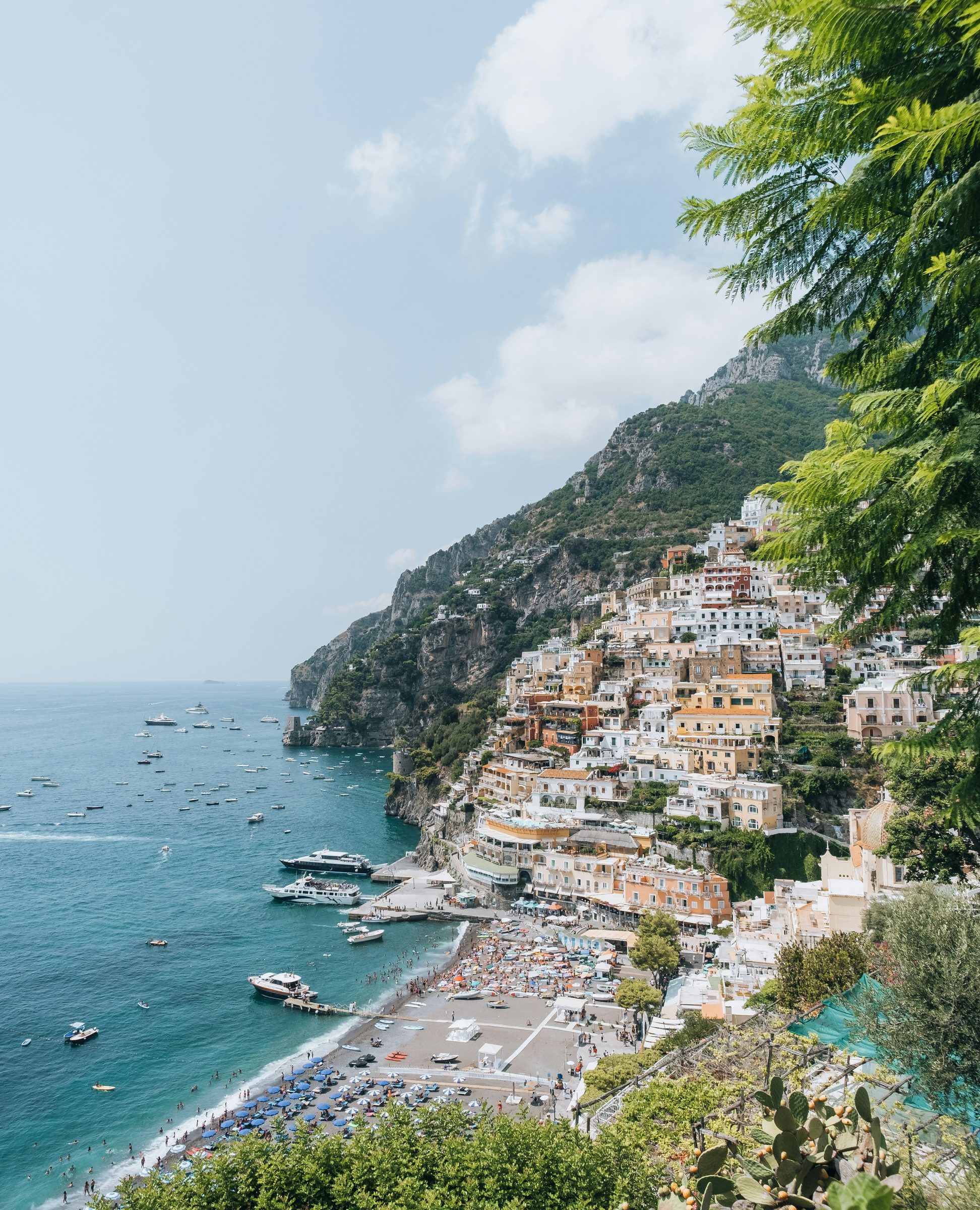
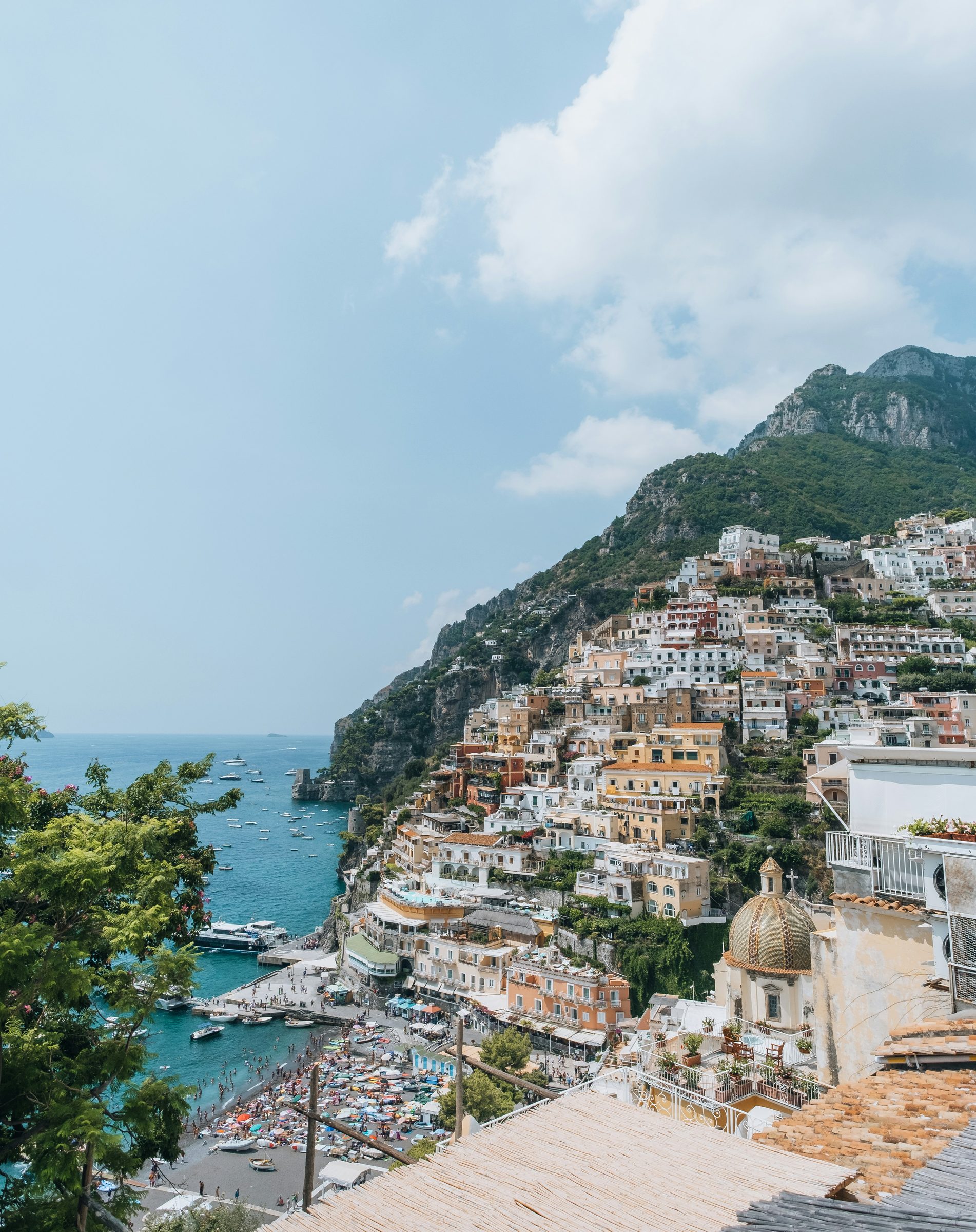
It helps to picture the geography honestly. The Amalfi Coast is a narrow shelf of mountainside falling almost vertically into the Tyrrhenian Sea, threaded by a single ribbon of road that links thirteen towns between Positano in the west and Vietri sul Mare in the east. The mountains are the Lattari range; the towns cling to them in tiers of pastel and terracotta. There is very little flat ground anywhere, which is the source of both the drama and the difficulty. Everything is steps, switchbacks and views that stop you mid-sentence.
This matters because the coast cannot expand to meet demand. A beach in Spain can add another row of loungers; the Amalfi Coast cannot widen its road or flatten its hills. When you understand that the landscape is finite and the visitors are not, every piece of advice that follows starts to make sense. You are not trying to see more of the coast than other people. You are trying to be in the right place at the right hour, while everyone else is somewhere else.
When to go, and when not to
Get the timing right and half the work is done. Late May, June and September are the coast at its finest: warm enough for the sea, bright enough for long days, but without the high-summer crush. The bougainvillea is out, the lemon harvest scents the air, and the water has warmed enough to swim without flinching. July and August bring the heat and the crowds together, and the famous coast road slows to a crawl behind tour coaches that cannot pass one another on the bends. We almost always steer travellers towards the shoulders of the season, where the towns breathe and the restaurants have a table for you.
If you can only travel in high summer, all is not lost, but the strategy changes entirely. You front-load the day, you stay above the heat, and you spend the middle hours on the water rather than in the towns. Early October is the quiet secret: the sea holds its summer warmth, the light turns golden and low, and the day-trippers have thinned. By November most of the better hotels and restaurants have closed for the winter, so we rarely send anyone after the last week of October unless they specifically want the coast asleep.
This is the same advice we give for travel across Italy more broadly: the country rewards those who travel just outside the obvious months. On the Amalfi Coast the effect is amplified, because the geography simply cannot absorb peak-summer numbers gracefully.
Where to base yourself
This is the decision that shapes everything else, and it is where most people go wrong. They choose the town they have seen in photographs rather than the town that suits how they actually want to spend their days. Each of the main bases offers a genuinely different holiday.
Positano, for romance and theatre
Most people default to Positano, and it is undeniably beautiful: pastel houses spilling down to the sea, the most romantic setting on the coast, a place that photographs as well as it lives. But it is also the busiest and the steepest, a town built almost entirely of staircases. There is no shortcut, no flat road through the centre; you walk down to the beach and you climb back up, and in August that climb is a serious undertaking. For some travellers that vertical drama is precisely the point, and an evening passeggiata through Positano in good shoes, glass in hand, is one of the coast's great pleasures. For others it is simply exhausting, and we say so plainly before they book.
Ravello, for calm and altitude
Ravello, set high above the coast on its own promontory, offers the opposite. Cooler air, garden villas, classical music drifting from the terraces of Villa Rufolo, and a stillness that the seafront towns lose entirely in season. The famous gardens of Villa Cimbrone end in a belvedere that hangs over the whole gulf, and at dusk it is one of the most beautiful spots in Italy. The trade-off is that you are removed from the water; reaching a beach means a transfer down and back. For travellers who want quiet, culture and cool evenings, and who are not wedded to swimming from their doorstep, Ravello is the most civilised base on the coast.
Praiano and the discreet alternatives
Praiano, quieter still, makes a discreet base between Positano and Amalfi, with some of the best sunsets on the coast and a fraction of the foot traffic. It suits travellers who want a beautiful, low-key home that they leave by boat each morning. Further along, the working town of Amalfi itself and the cliffside hamlet of Conca dei Marini both have their devotees. The right choice depends entirely on the holiday you actually want, and matching the town to the traveller is the very first thing we do.
Explore by sea, not by road
If there is one piece of advice in this whole Amalfi Coast luxury guide that transforms a trip, it is this: get off the road and onto the water. The coast road is slow, winding and congested through the season, and seeing the coastline from a car is to miss its whole point. From the road you see the back of the towns and the brake lights of the car in front. From the sea you see what the painters saw: the towns rising whole out of the water, the cliffs streaked with green, the light moving across them through the day.
A private boat changes everything. You slip between towns at your own pace, drop anchor in hidden coves for a swim before the day-boats arrive, glide into the Grotta dello Smeraldo when the light turns the water emerald, and arrive at lunch by sea, the way the coast was always meant to be reached. A skippered gozzo, the traditional wooden Sorrentine boat, is the most beautiful way to do it; faster modern craft cover more ground if you want to reach Capri.
A day on the water
A typical boat day on the water can reach Capri without the ferry queues, circle the island past the Faraglioni stacks, and find a quiet anchorage for lunch before the crowds spill over from the Marina Grande. Or it can simply trace the home cliffs at golden hour, with a glass of something cold in hand and nowhere in particular to be. It is the single experience our travellers thank us for most, and the one that, year after year, turns a first Amalfi trip into a returning love affair with the coast.
Eat slowly, and eat well
The food here is gloriously simple: sun-warmed tomatoes, fish landed that morning, lemons the size of fists, mozzarella from the plain behind Salerno, olive oil that tastes of the hillside it grew on. The pleasure is in the unhurried ritual of it, the long lunch that drifts into the afternoon and leaves you fit for nothing but a swim and a sleep. Scialatielli ai frutti di mare, a fat hand-cut pasta with the morning's shellfish, is the dish to seek out; delizia al limone, a lemon-cream dome, is the way to finish.
We arrange tables at the family trattorias the crowds never find, the ones up a lane in Nocelle or behind the cathedral in Amalfi, as well as a private cooking afternoon with a local cook in her own kitchen, or a tasting at a cliffside lemon estate where the terraces have been farmed by the same family for generations. For travellers who plan their journeys around the table, our food and wine experiences go deeper still, from the vineyards of the Lattari hills to the buffalo farms of the Sele plain.
The things worth doing slowly
Beyond the water and the table, the coast rewards a handful of deliberate excursions, taken early or late to dodge the crush. The Path of the Gods, the Sentiero degli Dei, is the great walk: a high mountain trail from Bomerano down towards Positano, with the whole coast falling away beneath you. Start it at first light and you will have the views to yourself before the heat and the day-walkers arrive.
Inland, the gardens of Ravello deserve a slow morning, and the cathedral at Amalfi, with its striped Arab-Norman facade and shaded cloister, rewards a quiet hour. Further afield, the temples at Paestum, an easy run south, are among the best-preserved Greek temples anywhere and almost always uncrowded. None of this needs to be rushed. The coast is small, and the luxury is in choosing two things a day and doing them properly rather than chasing ten.
How to shape the trip
Four to five nights lets you settle, explore by boat, eat well and still keep a day for doing absolutely nothing, which on the Amalfi Coast is a genuine itinerary item rather than a failure of planning. The coast also pairs beautifully at either end. A few cultured nights in Rome before you arrive give you the contrast of the city before the sea; a quiet finish on Capri afterwards, or in the gentler hills of the Cilento further south, lets you wind down before flying home. For where to lay your head, our shortlist of the coast's finest small hotels and villas lives in The Atlas Edit, where we are honest about which rooms have the views and which simply have the address.
The practical spine of a good Amalfi trip is unglamorous but vital: a private transfer from Naples airport rather than the public ferry shuffle, a boat secured for the right days, restaurant tables held before they vanish, and a hotel chosen for how you will actually use it rather than how it photographs. These are the quiet pieces of concierge work that nobody sees and everybody feels, and they are the difference between a holiday you endure and one you remember.
Getting there, and the first impression
How you arrive sets the tone for everything that follows, and it is the part travellers most often get wrong. The coast has no airport of its own. Most people fly into Naples, and from there the choices diverge sharply. The cheap option is a public transfer and a change of vehicles; the civilised one is a private car that meets you at arrivals and delivers you to your door, or, better still in high season, a transfer by sea from Naples or Sorrento that bypasses the road entirely. Sweeping into Positano from the water at the end of a long travel day, rather than crawling down the corniche behind a coach, is the difference between beginning your holiday and merely reaching it.
A word on luggage and the climb: pack light and pack soft. Many of the loveliest hotels are reached on foot down flights of steps that no wheel will manage, and a hard case is a liability. Linen, good shoes for the staircases, something with sleeves for the cool of a Ravello evening, and far less than you think you need. The coast is not a place for a large wardrobe; it is a place for two or three things you love and the confidence to wear them slowly.
Where to lay your head
The hotels are a subject in themselves, and the honest truth is that very few rooms on the Amalfi Coast deliver everything at once. Some have the legendary view but a long climb to reach it; some sit right on the water but in the thick of the town's noise; some are serene and private but removed from the sea altogether. There is no perfect room, only the right room for how you intend to spend your days, and choosing it well is most of the work. A couple who will spend every morning on the boat want something different from a family who will base themselves by the pool, and we are candid about which is which. The current shortlist of the small hotels and private villas we trust, with our honest notes on each, lives in The Atlas Edit.
Done with a little care, the Amalfi Coast lives up to every photograph and quietly exceeds them. When you are ready to plan yours, calmly and beautifully, tell us how you like to travel and we will shape it around you, town by town and day by day.
Frequently asked questions
When is the best time to visit the Amalfi Coast?
Late May, June and September are the loveliest months: warm and bright but without the high-summer crush. July and August are at their busiest and hottest, so we tend to steer travellers towards the shoulders of the season.
Where should I stay on the Amalfi Coast?
Positano is the most romantic and the most photogenic; Ravello sits high above the coast in cooler, quieter calm; Praiano offers a discreet base between the two. We match the town to the holiday you want rather than the one the guidebooks assume.
How do I avoid the crowds on the Amalfi Coast?
Travel in the shoulder season, base yourself slightly above or away from the busiest towns, explore by private boat rather than the coast road, and time your sightseeing for early morning or late afternoon. We plan the day's rhythm to keep you ahead of the crowds.
Is it better to explore the Amalfi Coast by boat or car?
By boat, wherever possible. The famous coast road is slow and congested in season, while a private boat opens up hidden coves, sea caves and a far calmer way to move between towns.
How many days do you need on the Amalfi Coast?
Four to five nights allows you to settle, explore by boat, eat well and still do nothing for a day. It also pairs beautifully with a few nights in Rome or on Capri at either end.
lemons and long lunches
Let us plan your Amalfi Coast, the calm way.
Tell us your dates and how you like to travel, and we will shape the stays, the boat days and the long lunches around you.
Plan My Amalfi Coast Trip