Hotel Edits
Why Boutique Hotels Make the Best Escapes
On the quiet pleasures of somewhere small and well chosen.
Boutique hotels make the best escapes for a reason that has nothing to do with thread counts or square footage: they are built around how it feels to be a guest rather than how many guests they can hold. After more than fifteen years staying in hotels of every shape and scale, I keep returning to the small ones, and not out of sentiment. There is something a thirty-room house can give you that a three-hundred-room resort structurally cannot, and it is almost always the very thing you left home to find.
This is a quiet conviction rather than a fashionable one. I have nothing against the great grand hotels; some of them are among the finest places on earth to spend a night. But when a client tells me they want to truly switch off, to feel restored rather than merely entertained, my mind goes immediately to the small, characterful addresses we keep coming back to. What follows is an honest account of why, written by someone who books these places for a living and has slept in most of them.
What you actually feel in a small hotel
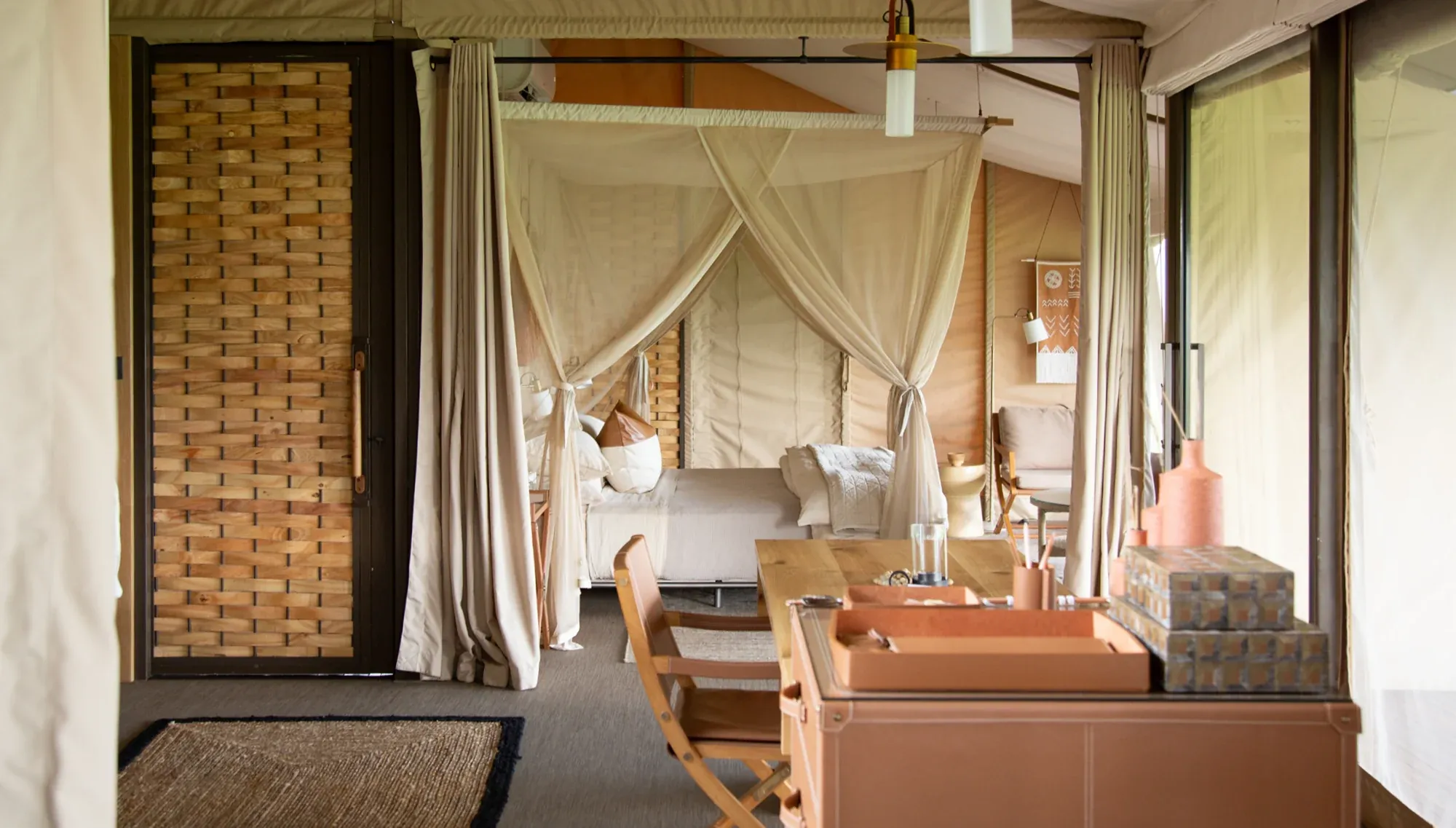
Walk into a great boutique hotel and the difference registers before you can name it. Someone knows your name by the second morning. The breakfast is cooked to order rather than laid out under heat lamps. The design has a single hand behind it, so the place feels like somewhere rather than anywhere. None of this is luxury in the marble-and-chandelier sense, and that is rather the point. It is the luxury of being properly looked after by people who have the time to do it, in a house small enough to remember you.
I think of a converted farmhouse in the Tuscan hills where the owner walks the breakfast terrace each morning, not to perform hospitality but because she genuinely wants to know how you slept and whether the church bells woke you. Or a fourteen-room townhouse in Lisbon where the night porter remembered, on our second evening, that I took my coffee black and had it waiting before I reached the bottom of the stairs. These are not grand gestures. They are the small frictions of travel quietly removed, one by one, by people who notice.
A single hand behind the design
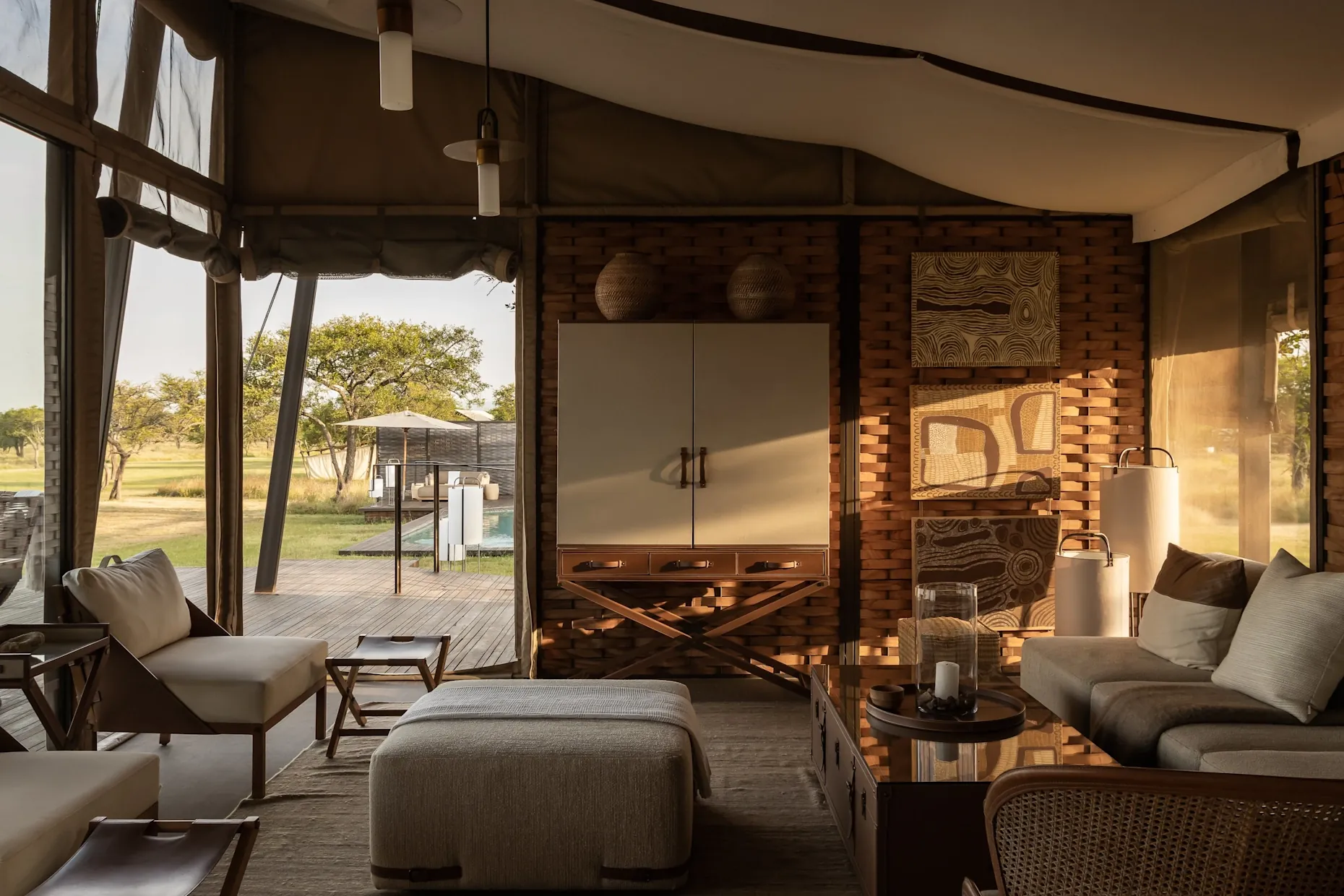
Atmosphere is the hardest thing in hospitality to fake, and the easiest to feel. In the best small hotels, one person, an owner, an architect, a family, has made every decision, from the weight of the door handles to the music at dusk. The result is coherence. Nothing jars because nothing was chosen by committee. You sense a point of view, and a point of view is what turns a room into a place you remember.
Large hotels, for all their polish, are designed to please everyone and therefore to offend no one, which is a different ambition entirely. A boutique hotel can afford to be specific. It can paint the dining room a deep, improbable green, fill the library with the owner's own books, serve only what the kitchen does well. Specificity is risk, and risk is what makes a stay feel alive rather than merely comfortable.
Service that scales down, not up
There is a myth that luxury is a function of headcount, that the more staff hovering, the grander the experience. In practice the opposite is often true. A team of eight who know your face deliver something a battalion of a hundred strangers cannot: continuity. The person who checks you in is the person who recommends the restaurant, who notices you are tired and quietly reorganises your morning. Service stops being a series of transactions and becomes a relationship, however brief.
Why small so often beats grand for a real escape
Large hotels are extraordinary feats of logistics, and for certain trips, several generations travelling together, or a long checklist of facilities, they are exactly right. But scale comes at a cost to atmosphere that no amount of money can fully offset. A pool shared by a few dozen guests is a different proposition from one shared by a few hundred. A breakfast room that seats forty has a hum; one that seats four hundred has a roar. Genuinely personal service is difficult to deliver at volume, not because the staff are less willing but because the arithmetic is against them.
When the purpose of a journey is rest, the very efficiency of a big hotel can be the thing that stops it feeling restful. The lifts, the lobby traffic, the queue at the buffet, the faint sense of being processed: none of it is a failing, exactly, but all of it pulls against the stillness you came for. A boutique hotel trades a handful of facilities, perhaps the spa is smaller, perhaps there is no third restaurant, for intimacy, character and calm. For most escapes that is a trade well worth making. The addresses we trust for precisely this are gathered in the Atlas Edit of hotels we love, the small, well-run houses we return to year after year.
The honest trade-offs
I would be doing you a disservice if I pretended small always wins. It does not. Boutique hotels can be inflexible: one restaurant means one menu, and if the kitchen has an off night you feel it more keenly. Facilities are leaner, so a serious gym or a children's club may simply not exist. The smallest houses can feel exposed, where you cross paths with the same dozen guests at every meal, which is charming for some and claustrophobic for others. And because so much rides on a few key people, a change of management can shift the whole feel of a place overnight.
None of this is a reason to avoid small hotels. It is a reason to choose them carefully, and to be matched to the right one. A solo traveller wants a warmer, more sociable house than a couple seeking seclusion. A family with young children is better served by a hotel with a little space to breathe than by an exquisite four-room hideaway where every sound carries. The art is in the fit, which is exactly where a concierge earns their place.
The right boutique hotel in the right place
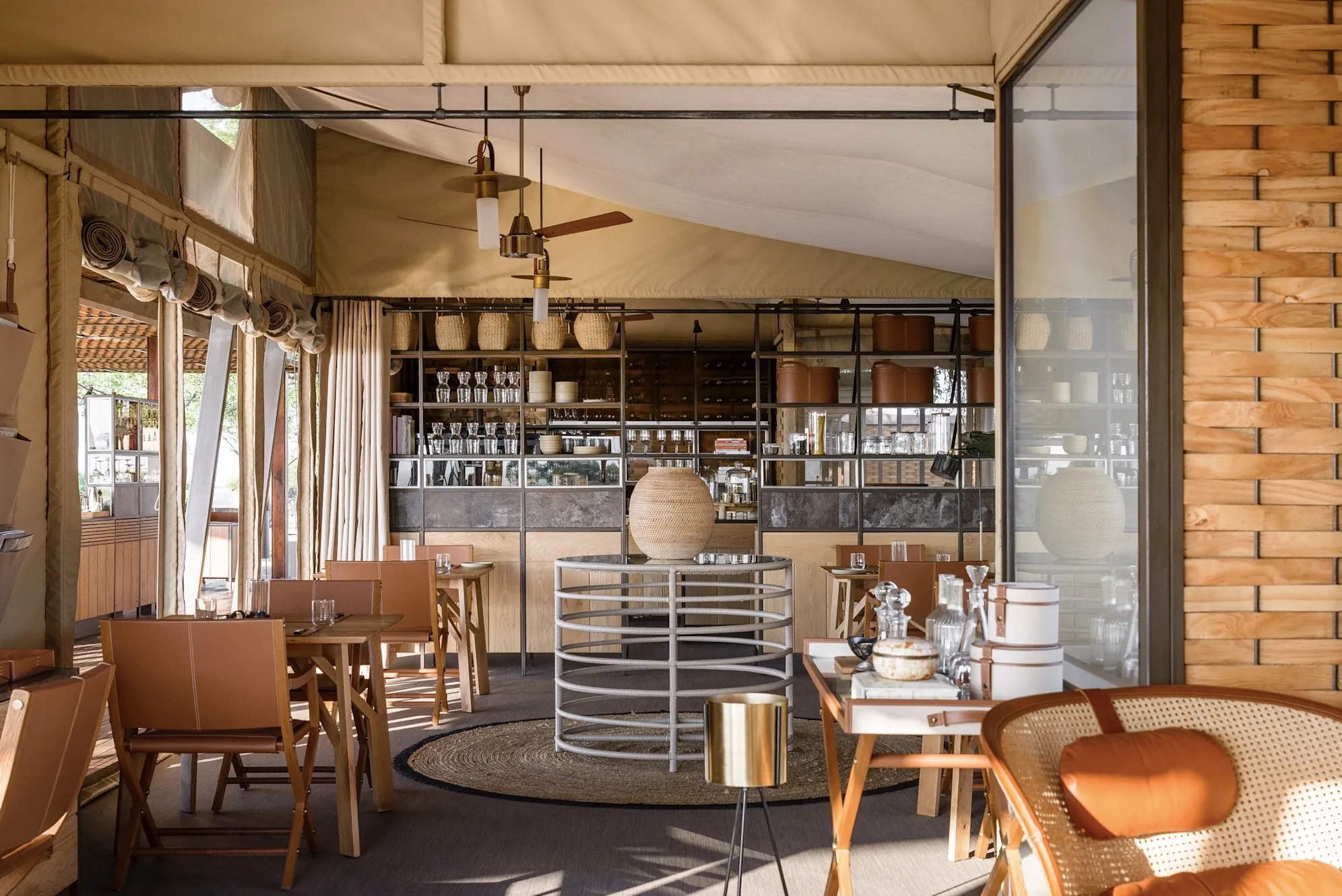
Here is the catch that catches most people out. A boutique hotel lives or dies on atmosphere, and atmosphere is almost impossible to judge from a website. Professional photography flatters everything; reviews tell you about other people's expectations rather than yours. A wonderful small hotel in the wrong setting, or with the wrong feel for who you are, is harder to escape than a large one, because there is nowhere to retreat to. You cannot disappear into a crowd of three hundred when there are only thirty of you.
This is why we only ever recommend places we know first-hand or trust completely through people we know personally. It is slow, unscalable work, and it is the entire reason a concierge exists. It is also why the destination matters every bit as much as the hotel itself. A characterful stay set in a place you genuinely love is the whole equation, not half of it. Get the setting wrong and the most beautiful hotel in the world cannot rescue the trip.
Matching the house to the landscape
Some destinations are made for small hotels. The Mediterranean coast, with its fishing villages turned discreet retreats, rewards the traveller who chooses a ten-room house over a sprawling resort: you eat where the locals eat, you wake to church bells rather than poolside announcements, you become, for a week, almost a resident. The whitewashed harbours of the Greek islands and the cliffside towns of the Italian coast are full of such places, each one shaped by its own particular light and pace.
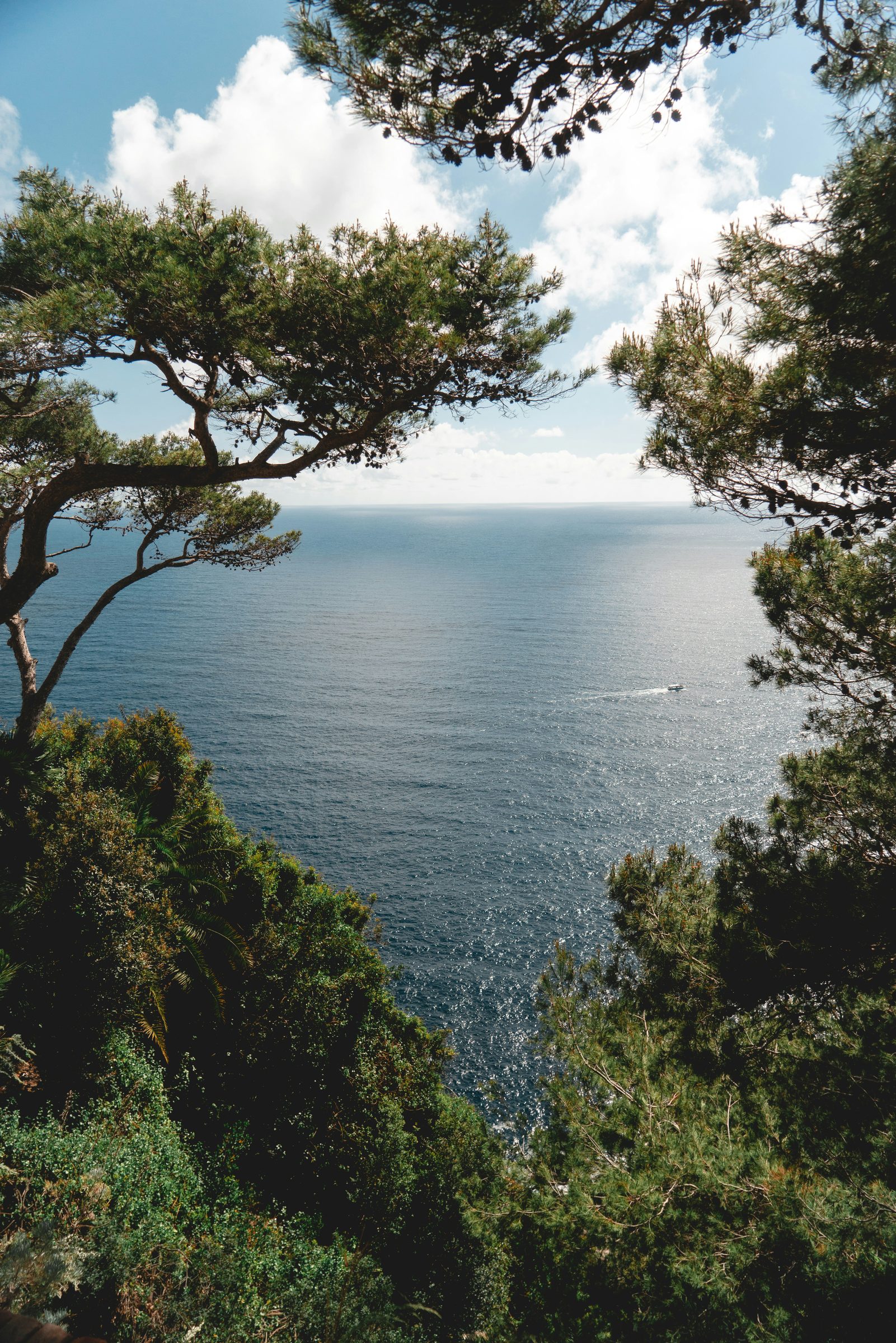
Whether you are drawn to the coast, the mountains or somewhere further afield, our full range of luxury destinations is where we begin, and for those craving sea and stillness our sea and island journeys pair naturally with the right small hotel. We treat the two as a single choice rather than two: the house and the place it sits in are inseparable.
How to read a boutique hotel before you commit
If you are choosing one yourself, there are tells. Look at how the hotel writes about itself: does it talk about its facilities, or about its place and its people? Count the rooms; under forty is genuinely small, under twenty is intimate, and the experience changes meaningfully at each threshold. Read between the lines of who runs it, an owner on site is worth a great deal. And pay attention to what a hotel chooses not to offer, because a confident small house is comfortable saying no to the things it cannot do beautifully.
Above all, ask someone who has been. A single honest conversation with a person who has slept in the room and eaten in the dining room is worth a hundred glowing notices. That is the service we offer, and it is the only reliable way I know to separate the genuinely special from the merely well marketed.
Seasons and timing
Small hotels feel their seasons more acutely than large ones. A coastal house that sings in late September, when the crowds have gone and the sea is still warm, can feel forlorn in the dead of winter when half its staff have left. A mountain retreat that is magic under snow may close entirely in the shoulder months. Part of choosing well is choosing when, and the right window often falls just outside the obvious peak: the quiet edges of the season, when a place is at its most itself.
There is a further, subtler point about timing in a small house: the company. Because you will share the dining room and the terrace with the same handful of guests all week, who else is staying shapes the mood more than it ever would in a large hotel. Half-term weeks bring families; the shoulder season tends towards couples and slower travellers. None of this is good or bad in the abstract, but it is worth weighing against what you are after. We keep a quiet sense of the rhythm of the houses we love, and will steer you towards the week that suits your temperament as much as your diary.
The kinds of escape a small hotel does best
Over the years I have come to think of boutique hotels as specialists rather than generalists, and the trips they elevate most are the ones built around presence rather than activity. A honeymoon is the obvious case: two people who want to be known, looked after and left alone in equal measure are perfectly served by a house where the staff understand the assignment without being told. A milestone you want to mark quietly, a significant birthday, an anniversary, a long-deferred week away, lands far more deeply in a place that feels personal than in a ballroom hotel where you are one booking among hundreds.
Solo travel is another. A good small hotel is the kindest place in the world to arrive alone, because the scale makes it almost impossible to feel anonymous. The staff have the time to fold you gently into the day; a seat at the kitchen table appears; a recommendation for dinner comes with an offer to call ahead. I have sent many solo travellers to characterful houses precisely because the experience is so different from the polite isolation of a big-resort lobby. The trick, again, is matching the house to the person: warmth and a sociable bar for some, a hushed and private hideaway for others.
When a larger hotel is the better answer
And sometimes it is. I would never insist on a boutique hotel for its own sake. A multi-generational gathering, with grandparents who want a spa, teenagers who want a pool with some life in it, and toddlers who need a kids' club, is genuinely better served by a larger, well-run resort with the space and facilities to keep everyone happy under one roof. The same is true of a city stay where you simply want a flawless, well-located base and have no intention of spending daylight hours in the hotel at all. Knowing when not to recommend a small hotel is as much a part of the craft as knowing when to.
How we choose, and why it is slow on purpose
People sometimes assume a concierge works from a glossy directory, picking hotels off a list. The truth is far less efficient and far more useful. We stay in the houses ourselves, or we trust them through someone whose judgement we have tested over years. We notice the things that never make the brochure: whether the walls are thin, whether the breakfast is genuinely good or merely photogenic, whether the welcome is warm on a wet Tuesday in low season and not just for a visiting journalist. This is unglamorous, unscalable work, and it is the whole point.
It also means we can be honest with you in a way a booking site never will. If a beloved hotel has changed hands and lost a step, we will say so. If the room you are drawn to in the photographs is in fact the one above the kitchen, we will steer you elsewhere. The value is not a longer list of options; it is a shorter, truer one, chosen for you rather than for everyone. That is what turns a good week away into the kind you talk about for years.
Frequently asked questions
What is the difference between a boutique hotel and a luxury hotel?
A luxury hotel can be large; a boutique hotel is defined by being small and having a distinct character. Many boutique hotels are luxurious, but the quality you are paying for is intimacy and individuality rather than scale and facilities.
Are boutique hotels worth it?
For most travellers seeking an escape, yes. You trade a few large-hotel facilities for a personal welcome, a strong sense of place and service that remembers you. For pure rest and atmosphere, a well-chosen small hotel is hard to beat.
Are boutique hotels good for solo travellers?
Often beautifully so. The smaller scale makes it easy to feel at home rather than anonymous, and staff have the time to look after you. We simply steer solo travellers towards the warmer, more sociable addresses over the most secluded ones.
How do you find a genuinely good boutique hotel?
With small hotels, atmosphere is everything and almost impossible to read online. We only recommend places we know first-hand or trust completely through people we know, which is the entire reason for planning through a concierge rather than booking blind.
small places, big feeling
Let us find the small hotel your next escape deserves.
Tell us where you are drawn and the feeling you are after, and we will shortlist the characterful places we know and trust.
Begin Your Escape