Honeymoons
Safari or Beach? How to Choose Your Honeymoon Style
Two very different mornings, and how to know which is yours.
The safari or beach honeymoon question is the one we are asked most, and the honest answer rarely has much to do with the destinations themselves. It is about the kind of mornings you want as a newly married couple: the charged hush of a dawn game drive, or the slow unspooling of a day with nothing to do but swim. Both are extraordinary, and there is no wrong choice. What follows is how we help couples decide, the destinations we trust for each, the trade-offs nobody mentions, and why so many of the honeymoons we plan quietly end up being both.
Two honeymoons, two completely different mornings
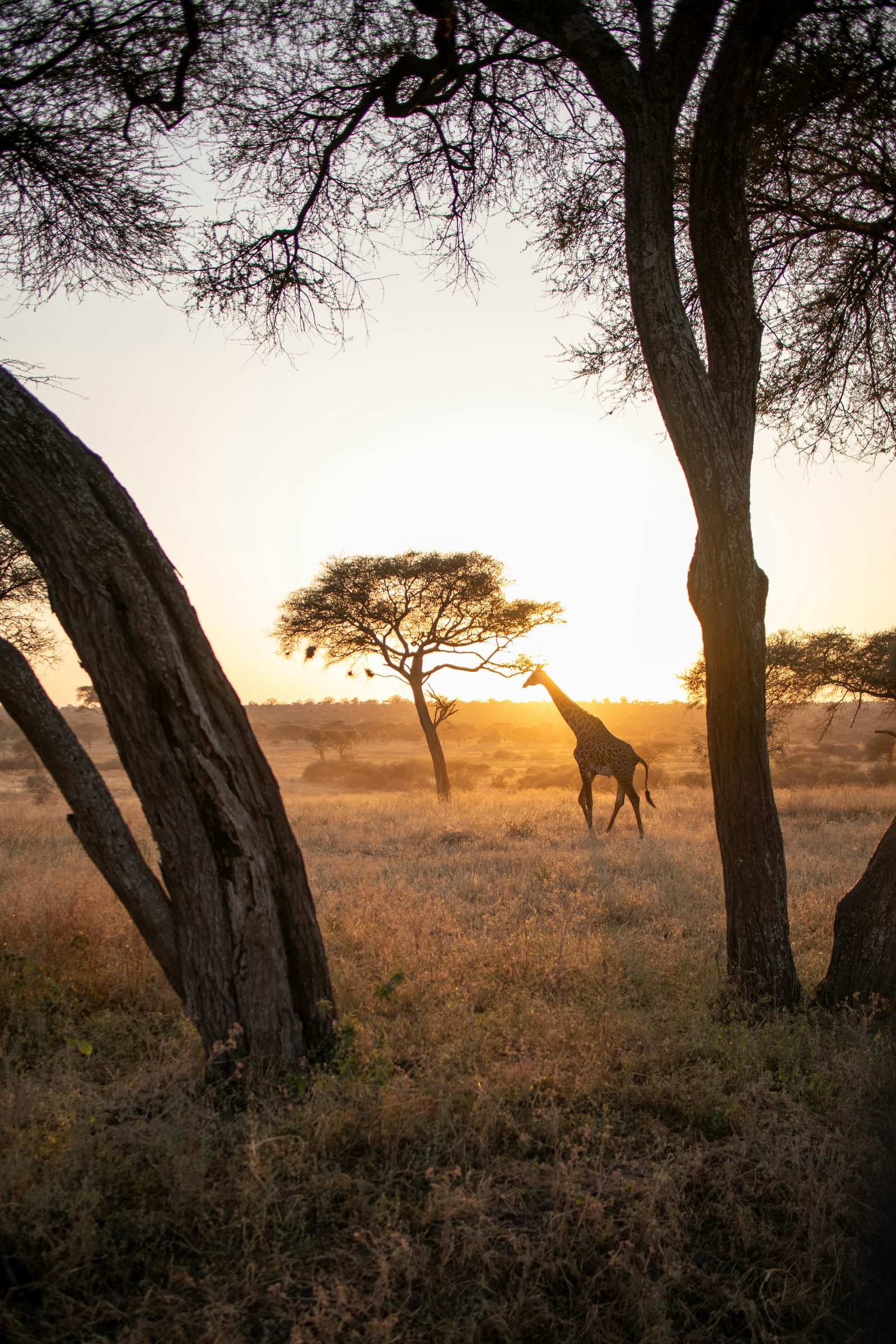
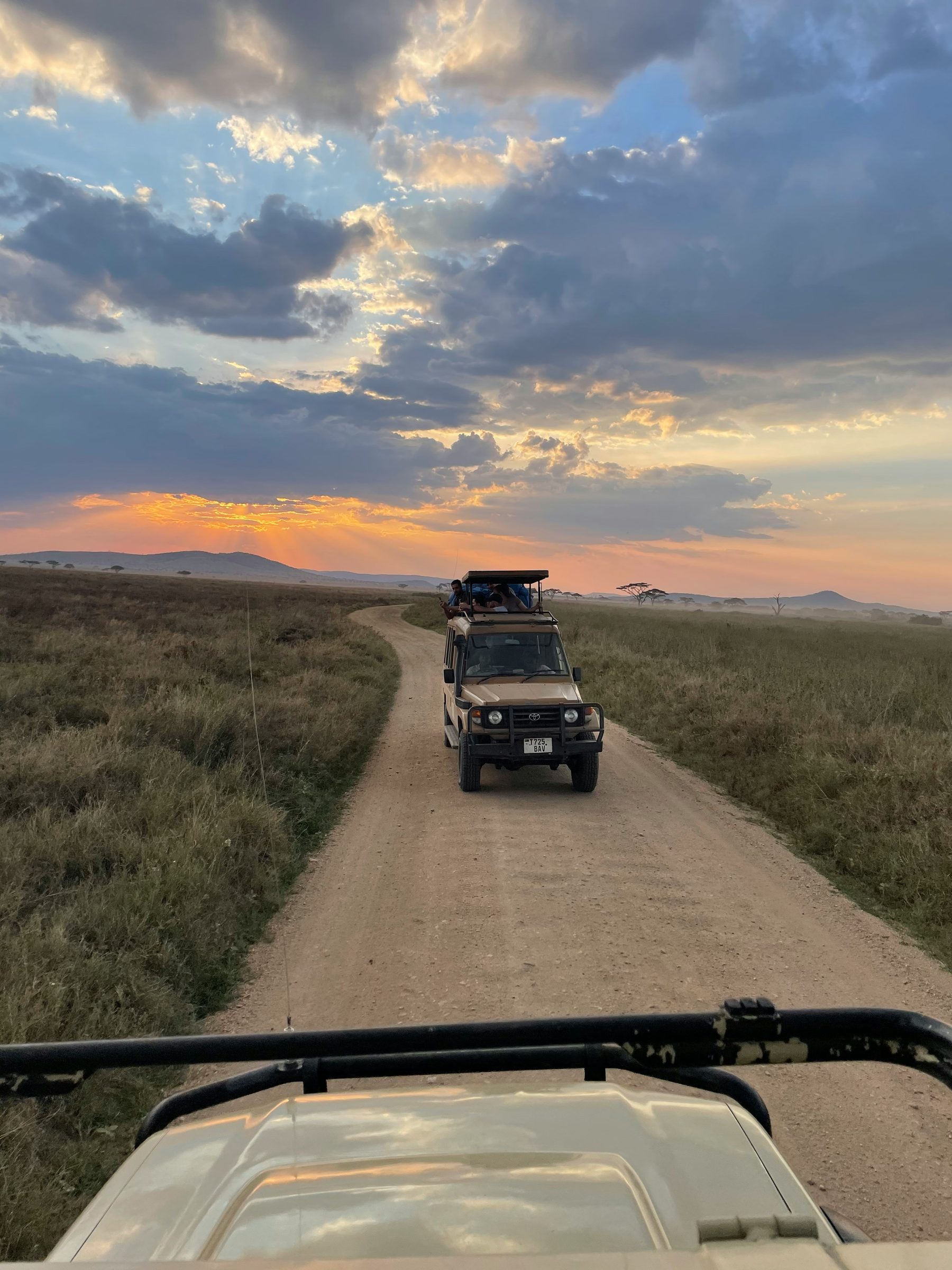
Picture the first morning of each. On safari you are awake before the light, wrapped in a blanket against the cool air, a flask of coffee passed between you as the vehicle eases out of camp. The bush is loud in a way cities never are: doves, a distant lion still working through the night, the creak of the chassis over dry grass. By the time the sun lifts over the horizon you have already seen more life than most people see in a year, and you have seen it together, in near silence, which does something to a couple.
The beach morning could not be more different. You wake when you wake. There is no alarm and nowhere to be. Breakfast arrives slowly, the sea is the same temperature as the air, and the most strenuous decision of the day is whether to read on the deck or in the shade. One honeymoon is a series of shared events. The other is a long, deliberate absence of events. Knowing which one you are quietly longing for is most of the work, and it is worth being honest with each other before you fall for a photograph.
The case for a safari honeymoon
A safari honeymoon is built on shared awe. You wake before light, set out together into a landscape that feels prehistoric, and spend the day watching things you will talk about for the rest of your lives. The evenings are quiet and intimate: a fire, a sundowner, an enormous sky and dinner under it. It is active and emotional rather than restful, and it bonds couples in a way few holidays manage. If you are the sort of pair who light up at the idea of a leopard draped along a branch at dusk or a herd of elephants crossing a riverbed, the case for a safari honeymoon makes itself. Our safari and wilderness journeys are designed for exactly this kind of traveller.
Where we send couples on safari
Kenya remains one of the great honeymoon stages, and the Maasai Mara is the headline act: rolling, golden plains, big cats in genuine numbers, and from roughly July to October the river crossings of the Great Migration, which are as close to theatre as the natural world gets. The Mara works beautifully for a first safari because the wildlife is reliable and the camps range from grand to gloriously remote. Just over the border, Tanzania offers the Serengeti and the Ngorongoro Crater, a vast, green-walled caldera where you can see almost the entire cast of African wildlife in a single, slightly unreal morning. Tanzania pairs naturally with the beaches of Zanzibar, which is one reason it features so often in the combined honeymoons we plan.
For couples who want privacy above all, southern Africa rewards you: Botswana's water-laced Okavango Delta and the conservancies of South Africa offer low vehicle density and the feeling that the wilderness is yours alone. The trade-off is honest and worth saying plainly. A safari involves early starts, some long transfers in small aircraft, and a certain amount of dust. It is profoundly romantic, but it is not a lie-in. If the phrase before dawn makes one of you wince, read the next section carefully.
The case for a beach honeymoon
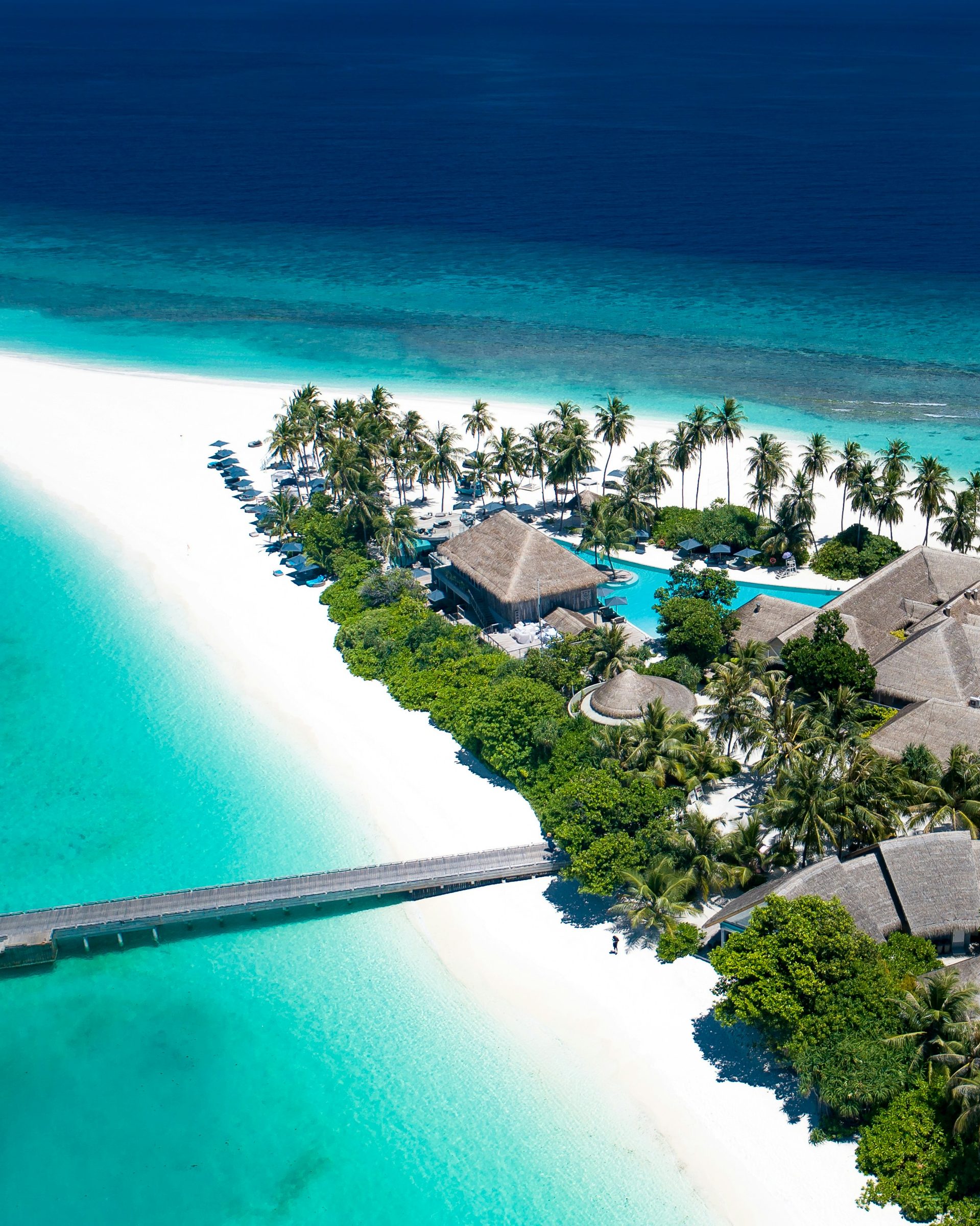
A beach honeymoon is built on stillness. There is no alarm, no schedule and nowhere to be, only warm water, long meals and the rare luxury of unhurried time together at the start of a marriage. For couples who have just navigated the happy chaos of a wedding, the appeal of doing very little is not laziness, it is restoration. A wedding takes more out of you than you expect, and a beach gives it back. This is the side of the spectrum our romance and celebration journeys lean into when rest is the priority.
Where we send couples for the beach
The Maldives is the purest expression of the idea: an overwater villa, a private deck with steps into the lagoon, and a horizon broken only by the occasional passing dhow. It is genuinely barefoot, the snorkelling is extraordinary straight off your own ladder, and the privacy is total. For couples who want a little more to do, the Seychelles offers something the Maldives cannot: dramatic granite boulders, forested interiors and proper beaches you can walk for an hour, with the option of island-hopping between Mahe, Praslin and the tiny, exquisite La Digue. The Seychelles feels lush and a touch wild where the Maldives feels serene and contained, and the choice between them says a great deal about a couple.
Both reward attention to the calendar. The Maldives is at its glassiest from roughly December to April, while the Seychelles is at its most reliable from April to May and October to November, in the gentle shoulders between the two monsoons. We plan around these windows rather than fighting them, because there is no romance in a week of rain on a deck you cannot use.
How to actually decide between a safari or beach honeymoon
When a couple genuinely cannot choose, we ask one question, and it almost always settles it: when you picture yourselves talking about this honeymoon in a year's time, are you telling stories, or are you describing how rested you felt? Storytellers want the safari. Those craving rest want the beach. It really can be that simple.
If your answers differ, that is not a problem to be solved, it is information. A split decision usually means you each want something the other does not, and the most generous answer is not to compromise on one but to give both of you what you are after. That is the third option, and it is the one we plan most often.
A few honest trade-offs to weigh
Budget tends to behave differently across the two. A safari is more intensive to run, with guides, vehicles, light aircraft and small camps, so the daily cost is higher but the days are shorter and richer. A beach stay is gentler on the wallet per night and forgiving over a longer stretch. Then there is energy: a honeymoon is often the first proper rest after months of planning, and some couples simply do not have a 5am start left in them. There is no shame in choosing the deck over the dawn drive. Finally, consider the weather across your actual dates, because the right destination in the wrong month is the most common mistake we are asked to undo.
Why so many couples choose both
The combined safari and beach honeymoon is, quietly, the one we plan most often, because it resolves the question rather than forcing it. The shape is simple and the order matters enormously: a few nights on safari first, while you are fresh and the early starts still feel like an adventure, then a longer stretch on an island or coast to decompress. Done in that sequence, you arrive home rested rather than wrung out, carrying the high of the bush and the calm of the sea in the same set of photographs.
The geography is kinder than people expect. From East Africa the pairings are short and natural: a Mara or Serengeti safari flows easily onto the beaches of Zanzibar or the Kenyan coast, often with a single internal flight. For couples willing to travel a little further for the finish, the Maldives, Mauritius and the Seychelles are all within comfortable reach of Nairobi and offer the ultimate barefoot full stop. Southern Africa, meanwhile, pairs a Botswana or South African safari with the Indian Ocean islands or the Cape coast.
How long, and in what order
For most couples, ten to fourteen nights does it beautifully: three or four nights on safari, where the days are full and the senses are working hard, then six or more by the sea, with the pace deliberately built to wind down rather than up. We almost never reverse the order. Ending on the beach means you fly home loose-shouldered and brown rather than dusty and short of sleep, and a honeymoon should taper into calm, not crescendo into exhaustion. If you have longer, a third element can slip in between, a night in a city or a wine region, but the safari-then-sea spine is what makes the trip feel whole.
Whichever way you lean, the planning is the same in spirit: we build the safari, the beach and the journey between them as one continuous experience, and we handle the quiet romantic touches without making a performance of them. If you would like to talk it through, you can tell us how you picture those first mornings and we will shape the rest. You might also enjoy browsing the Atlas Edit of hotels we love, where many of our favourite honeymoon stays, in the bush and on the sand, sit side by side.

When to go: timing a safari or beach honeymoon
Timing is where a beautiful honeymoon is quietly won or lost, because the safari and the beach do not always peak in the same months, and the combined trip asks you to satisfy both. The good news is that the calendars overlap more often than couples fear, and a little flexibility goes a long way.
East Africa: the migration months
For Kenya and Tanzania, the headline window is roughly July to October, when the plains are dry, the grass is short, the wildlife concentrates around water, and the Great Migration is somewhere in the Mara-Serengeti system. These are the most reliable game-viewing months and, conveniently, they coincide with the British summer, which suits couples marrying between June and September. The shoulder months of January and February are also lovely, drier and quieter, with calving season on the southern Serengeti bringing predators in close. The long rains of April and May are the one period we usually steer honeymooners away from, unless privacy and value matter more than guaranteed sunshine.
The islands: chasing the dry season
The Indian Ocean islands run on monsoon cycles rather than seasons as we know them. The Maldives is at its most postcard-perfect from December to April. Zanzibar and the Kenyan coast, the natural beach finishes to an East African safari, are at their best from June to October, which dovetails neatly with the migration. This is the quiet reason East Africa makes such an elegant combined honeymoon: the safari and the beach share a calendar, so you are not forced to compromise one for the other. The Seychelles, with its gentle shoulder seasons, is forgiving almost year-round, which is part of its appeal.
The small things that make a honeymoon
After the destinations and the dates, what couples remember most are the details, and these are the things we shape quietly in the background so that you never have to ask. On safari, it is the private dinner laid out under the stars on your last night, the sundowner stop in a spot the guide has chosen for the view rather than the convenience, the slower pace on the mornings you would rather linger over breakfast than chase a leopard. On the beach, it is the villa with genuine privacy rather than a neighbour's deck six feet away, the dinner on the sand that the hotel pretends was no trouble at all, the discreet note that it is your honeymoon so that the welcome feels personal rather than processed.
None of this is about grand gesture. The couples who come home happiest are rarely the ones who did the most. They are the ones whose trip was paced correctly, whose transfers were short and unfussy, and who were never once made to feel like a booking. Getting that right is the whole job, and it is why we plan the safari, the beach and everything in between as a single, considered piece rather than a set of separate reservations.
One last word on expectation. A honeymoon carries a weight that ordinary travel does not, and the temptation is to engineer perfection into every hour. Resist it. The most memorable moments on both the safari and the beach tend to be the unscripted ones: the elephant that wanders past camp at breakfast, the storm that rolls in over the plains and clears to a double rainbow, the evening you skip dinner entirely and order something simple on the deck because you cannot bear to dress. Our job is to remove the friction so those moments have room to happen, and then to step back. That, more than any single destination, is what makes a honeymoon feel like the start of everything.
Frequently asked questions
Is a safari or beach honeymoon more romantic?
Both are deeply romantic in different ways. A safari offers shared awe and quiet evenings by the fire; a beach offers stillness, space and time simply to be together. The most romantic choice is the one that matches how you most enjoy each other's company.
Can you combine a safari and beach honeymoon?
Yes, and it is one of the loveliest honeymoons we plan. A few nights on safari for the adventure, followed by an island or coast for the unwinding, gives you both the high of the bush and the calm of the sea in one trip.
How long should a safari and beach honeymoon be?
Ten to fourteen nights works beautifully: three or four on safari, where the days are full, then six or more on the beach to decompress. We balance the pace so the trip builds towards rest rather than ending exhausted.
Where are the best places for a beach honeymoon after a safari?
From East Africa, Zanzibar and the Kenyan coast are the natural pairings. For something more remote, the Maldives, Mauritius and the Seychelles are within reach and offer the ultimate barefoot luxury after the bush.
Can Atlas&Co. plan the whole honeymoon?
Yes. We design the safari, the beach and the journey between them as one seamless trip, with the romantic touches handled quietly. Tell us your dates and the feeling you want, and we will shape it around you.
the start of everything
Let us shape a honeymoon that is unmistakably yours.
Tell us how you picture those first mornings together, and we will design the safari, the beach or the perfect blend of both.
Plan Our Honeymoon