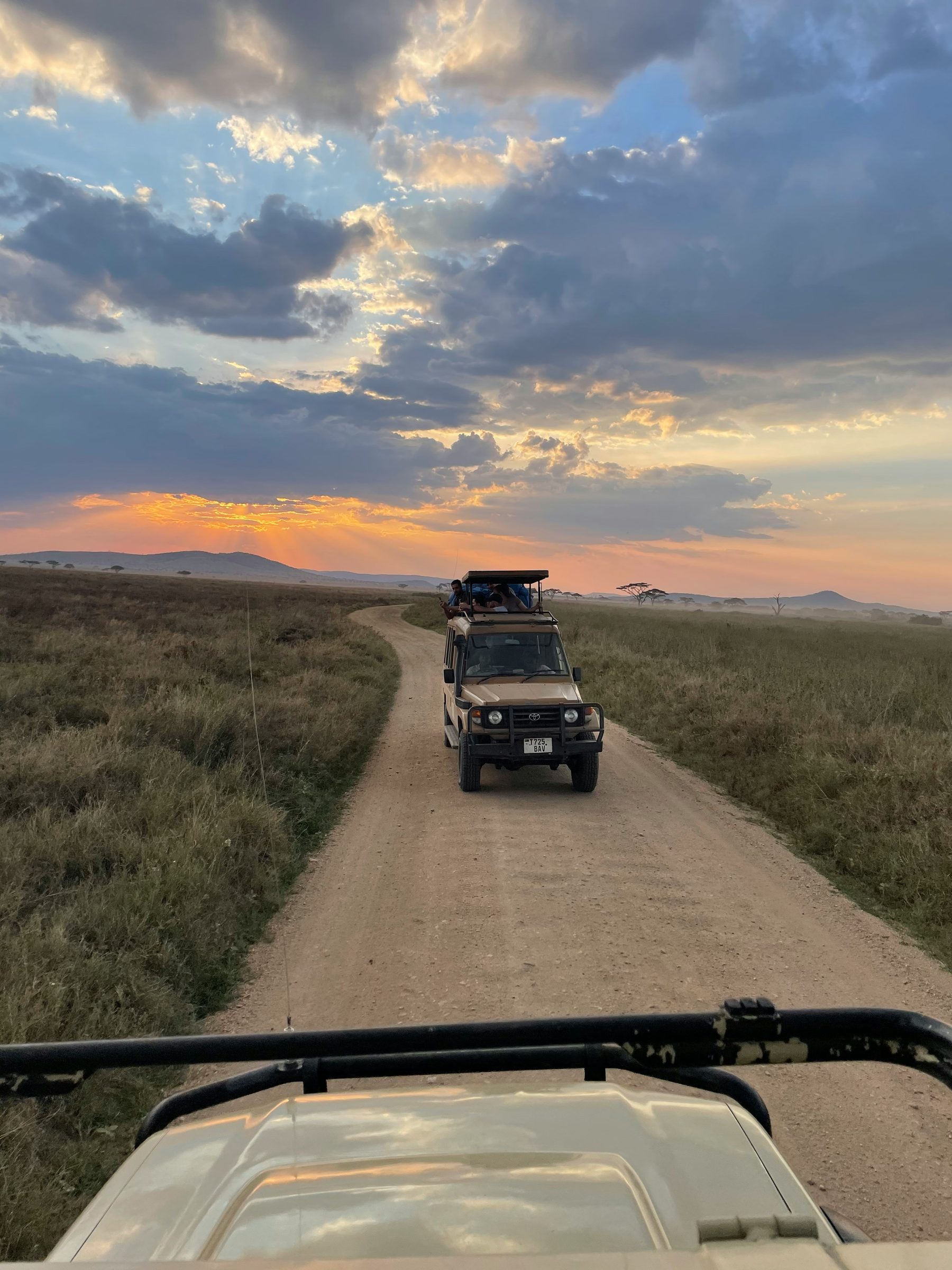
Travel Inspiration
Kenya or Tanzania: Which for Your First Luxury Safari?
An honest comparison of the Mara and the Serengeti, and how to choose.
The question of Kenya or Tanzania for a first safari is one we are asked almost every week, and the honest answer is that you cannot make a bad choice. Both countries hold some of the greatest wildlife theatre on earth, both can be done in pure luxury, and travellers come home from each one changed by it. The real question is not which country is better, but which one is better for you: for your time, your appetite for travel and the season in which you can go.
After years of planning first safaris for travellers who have dreamed of Africa for decades, I have learned that the decision usually comes down to a handful of practical differences rather than any great gulf in quality. Kenya and Tanzania share a border, share the same migration and share the same vast skies. What differs is the texture of the experience, and that texture is what makes one the right answer for you. Here is how we weigh it up.
The short answer
If you want efficiency, density of wildlife and an easier first safari, Kenya often edges it. The Maasai Mara is compact, astonishingly rich in game and quick to reach, which means more time watching animals and less time in transit. If you want scale, a deeper sense of wilderness and the romance of the names, Tanzania has the edge: the Serengeti is enormous, the Ngorongoro Crater is unlike anywhere else on earth, and the sense of space is profound. Neither is wrong. We simply match the country to the trip you actually want, and to when you can travel.
Kenya: the Maasai Mara and the classic safari
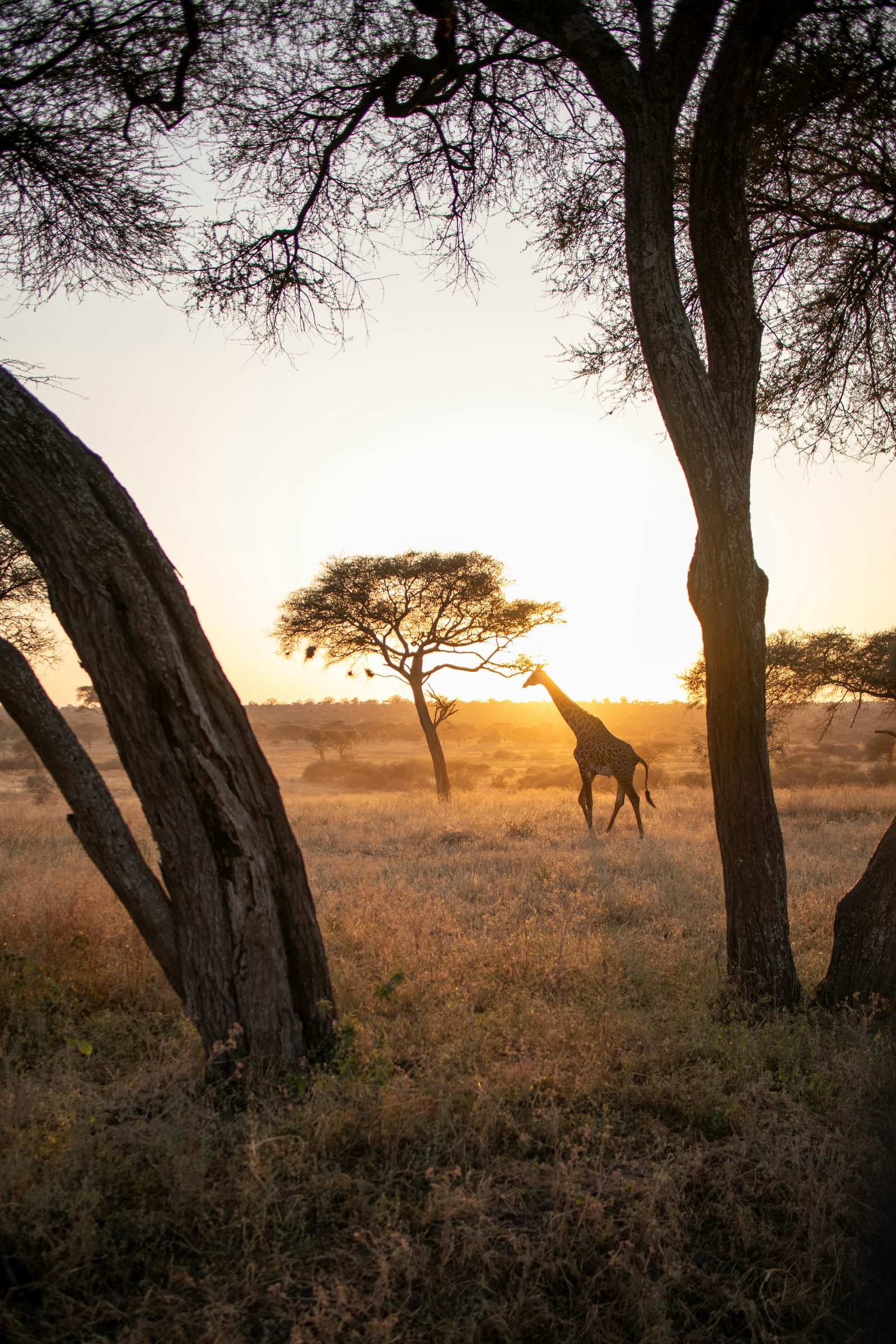
Kenya is where the safari was, in many ways, invented, and it remains the most efficient introduction to it. The Maasai Mara, the northern extension of the same ecosystem as the Serengeti, is one of the most wildlife-dense reserves in Africa: lion, elephant, cheetah and, in season, the great herds of the migration, all within a relatively compact area. You spend less time travelling and more time on game drives, which for a first safari, where every sighting is a thrill, is no small thing.
Kenya also offers wonderful variety beyond the Mara, from the elephants of Amboseli beneath Kilimanjaro to the private conservancies of Laikipia, where walking safaris and night drives are possible in a way they are not in the national parks. The conservancies are a particular favourite of ours: lower vehicle numbers, exclusive access and a more intimate experience, often with the Maasai communities who own the land. Our wider notes on the country live in our guide to luxury Kenya.
Tanzania: the Serengeti and the great scale
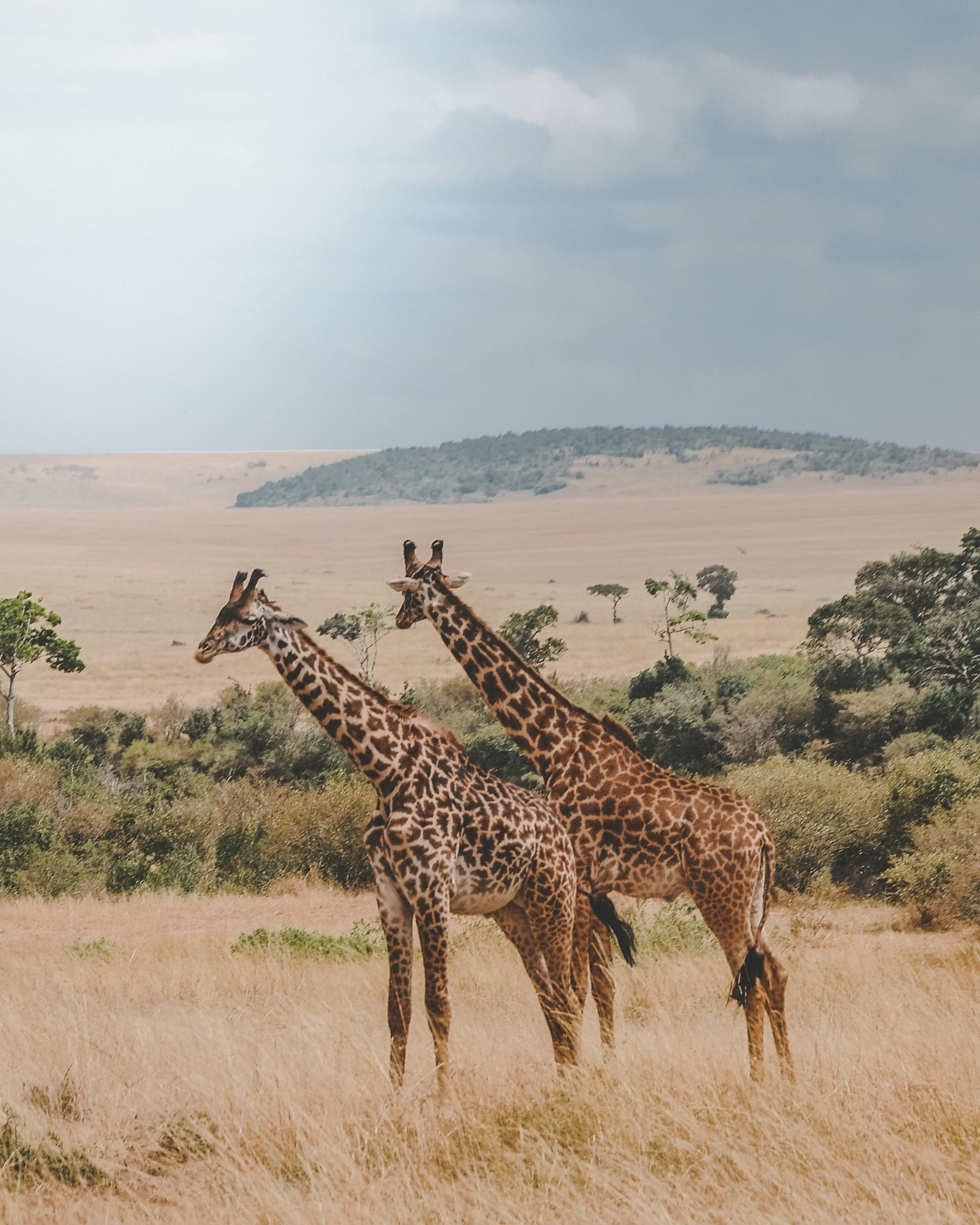
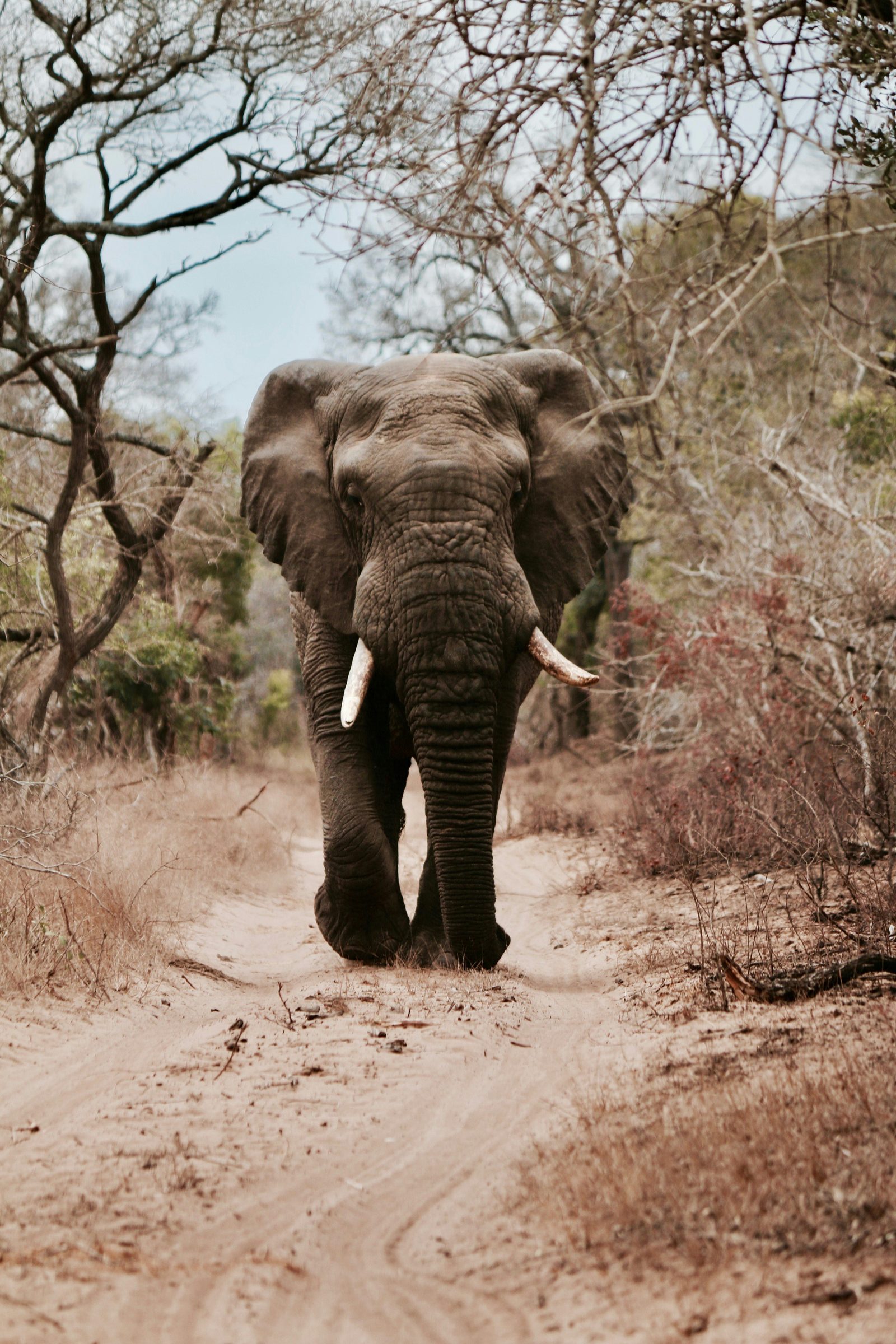
Tanzania is the safari at its most epic. The Serengeti is vast, far larger than the Mara, and travelling through it gives a sense of wilderness and space that is hard to match anywhere. To the south and east, the Ngorongoro Crater is one of the natural wonders of the world: a collapsed volcanic caldera, its floor a self-contained Eden of lion, elephant, rhino and flamingo-pink lakes, ringed by walls that rise two thousand feet. Standing on the rim at dawn is among the great travel experiences, and it alone draws many travellers to Tanzania.
The trade-off is scale: distances are greater, and seeing the country properly usually means light aircraft between regions rather than driving. That is part of the romance, but it shapes the trip, and it is why Tanzania tends to reward a slightly longer stay. The Serengeti's standing as a UNESCO World Heritage Site is no accident; it is one of the last places on earth where a migration of this scale still unfolds. Our guide to luxury Tanzania sets out how we structure a trip across its regions.
The Great Migration, and where to see it
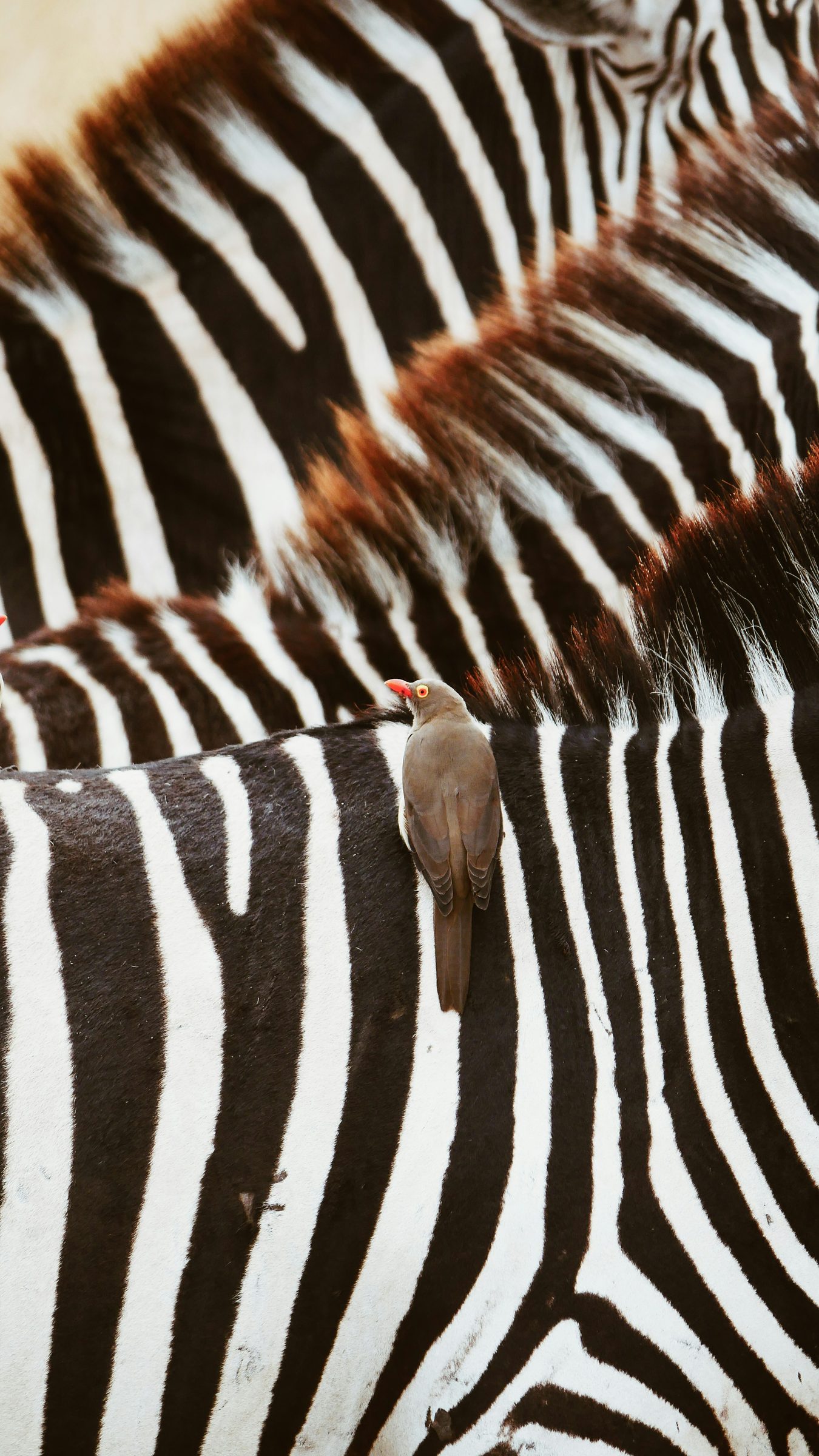
The Great Migration is the single biggest draw for many first-time safari travellers, and it belongs to both countries, because the herds do not recognise the border. Around two million wildebeest and zebra move in a vast, year-round circuit through the Serengeti and the Maasai Mara, following the rains and the grass. The point most people miss is that the migration is always happening somewhere; the art is in being in the right place at the right time.
The dramatic river crossings, where the herds plunge through crocodile-filled rivers, are typically seen in the northern Serengeti and the Mara from around July to October. The calving season, when hundreds of thousands of wildebeest give birth within a few weeks on the southern Serengeti plains, unfolds in late January and February and is a spectacle of its own, with the predators it inevitably draws. If seeing the migration is your priority, the timing decides the country as much as anything else, and we plan the trip backwards from where the herds will be.
When to go
The classic safari window is the dry season, from June to October. The vegetation thins, water becomes scarce, and the animals gather at the rivers and waterholes, which makes them far easier to find. The skies are clear, the days are warm and the nights are cool, and this is when the river crossings happen in the north. It is the most reliable time for a first safari, and the most popular, so the best camps book out well ahead.
The green season, from late December to February, is the quiet secret: the plains are lush and beautiful, the light is dramatic, the camps are quieter and the calving unfolds on the southern Serengeti. The long rains of March to May are the genuine low season, when some camps close, though the landscape is at its most lush and the value at its best. Whichever window suits you, the seasons differ subtly between the two countries, and matching the timing to what you most want to see is the heart of the planning. The wilderness itself, and how we approach it, lives in our guide to the luxury safari.
Safari and beach: the perfect pairing
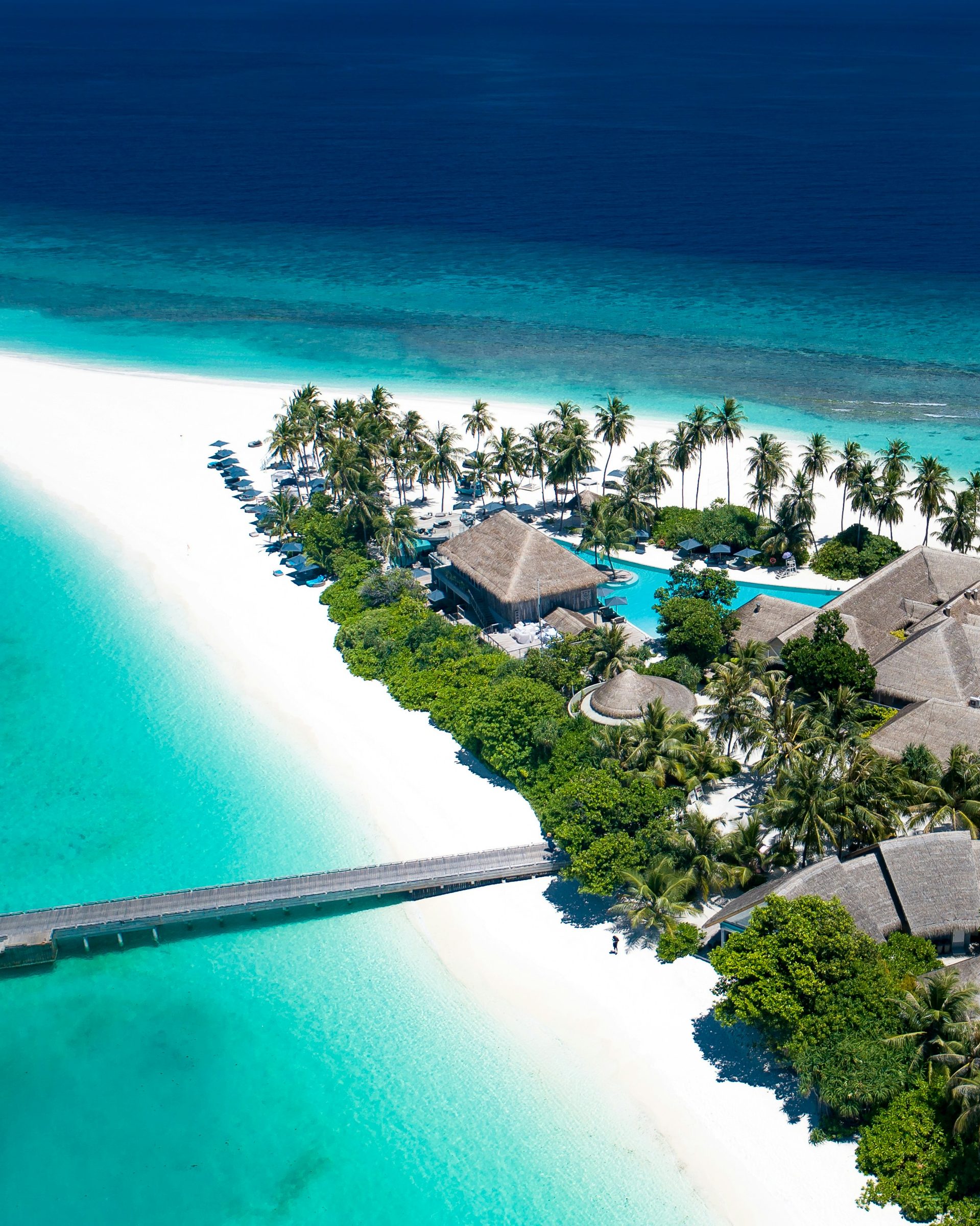
One of the loveliest things about an East African safari is how naturally it pairs with a beach. After several early starts and the gentle exhaustion of all that wonder, a few days of doing nothing on the Indian Ocean is the perfect second act. Both Kenya and Tanzania flow easily to the coast, and Tanzania has Zanzibar on its doorstep: spice-scented, historic and ringed with white sand. We map the classic version of this trip in our Serengeti and Zanzibar itinerary.
It also makes an unforgettable honeymoon, the adventure and the rest in a single journey. If you are weighing that idea, our honest take on choosing between a safari and a beach honeymoon is a good companion to this piece, and our wider edit of the best luxury honeymoon destinations sets the safari and beach idea alongside the alternatives.
Where to stay, and why it matters
On safari, the camp is not merely where you sleep; it is half the experience. Its position within the reserve determines what you see and how far you drive to see it. The quality of the guiding determines how much you understand of what you are looking at, and a great guide transforms a first safari entirely. And the privacy of the camp, the number of vehicles at a sighting, the sense of having the wilderness to yourselves, is what separates a luxury safari from a crowded one.
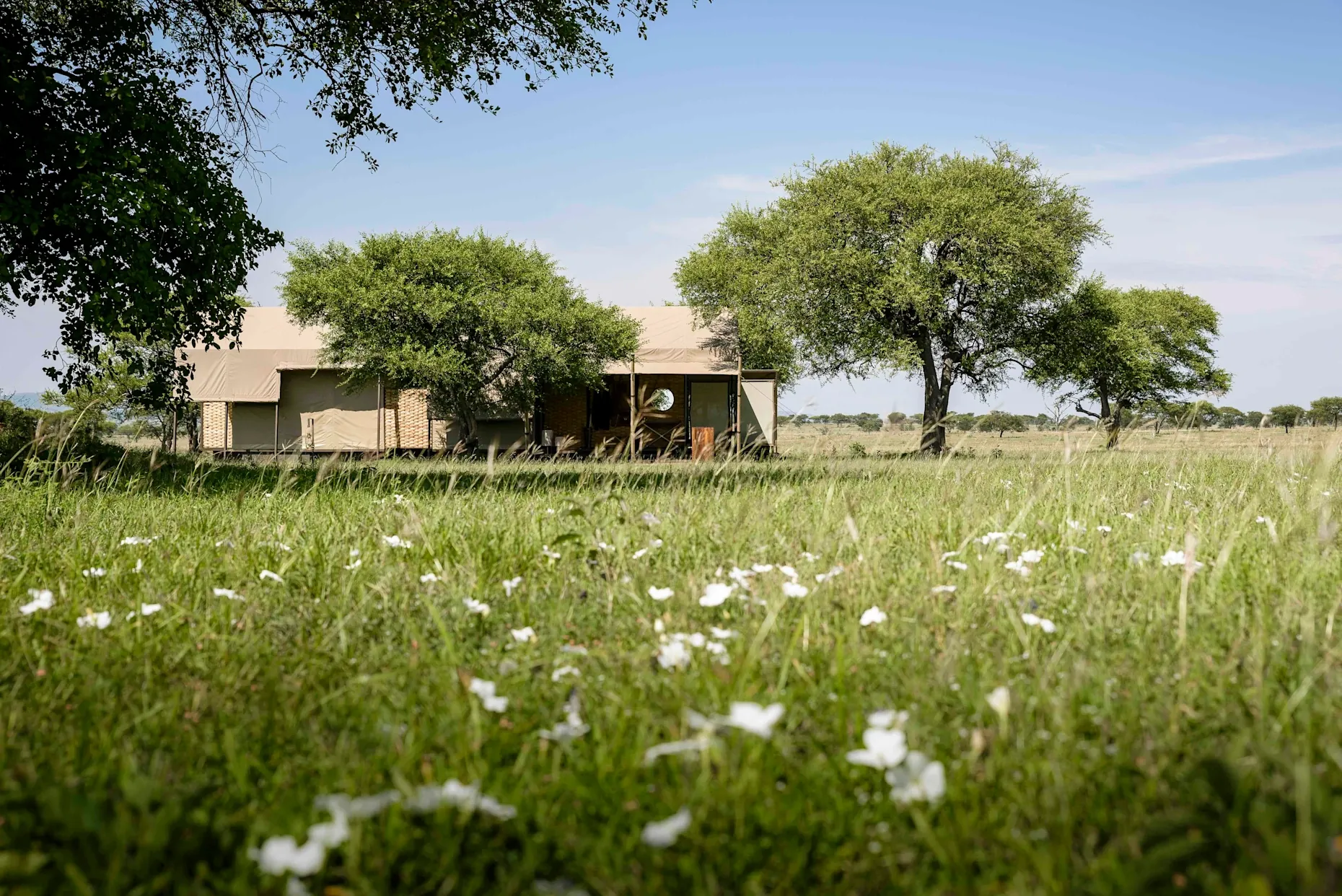
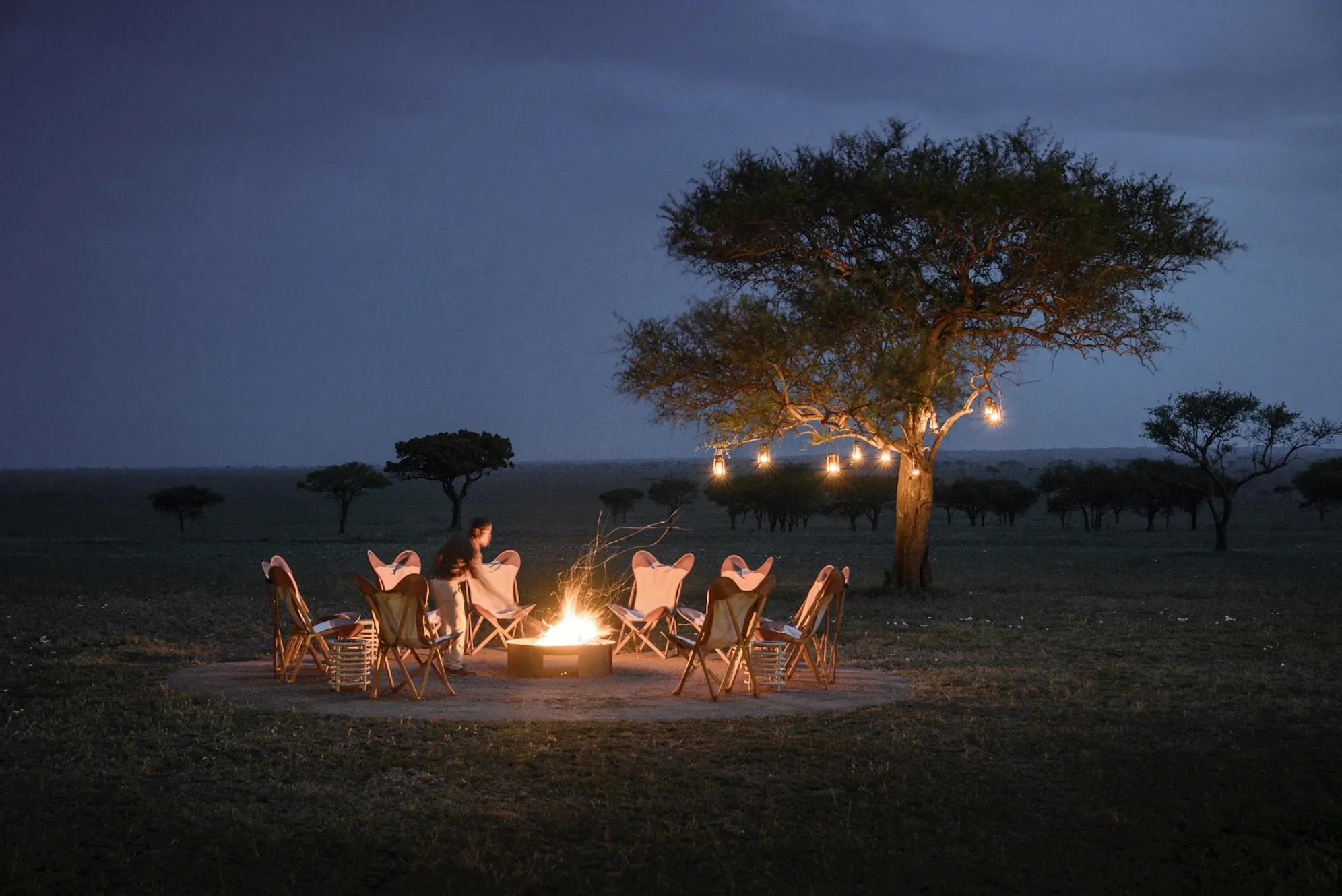
We favour small, characterful camps with exceptional guiding and a genuine sense of place over large, anonymous lodges, and in the private conservancies we can secure exclusivity that the national parks cannot offer. A camp such as Singita Sabora in the Serengeti shows what the very best looks like: a handful of tents, superb guiding and the plains to yourself. The full shortlist of the camps and lodges we trust lives in The Atlas Edit.
Beyond Singita, the camps we book most across the two countries include Angama Mara and Mara Plains in Kenya's Maasai Mara, and Singita Sasakwa and andBeyond Ngorongoro Crater Lodge in Tanzania. We match the camp to the region, the season and the way you want to travel, and the full shortlist lives in The Atlas Edit.
How we plan a first safari
A first safari is one of the great trips of a life, and it deserves to be planned by someone who knows the difference between one camp and the next, one guide and another, one week of the migration and the week before. We start with what you most want from it, whether that is the migration, big cats, walking safaris or simply the deepest sense of wilderness, and we build the trip around that, choosing the country, the regions, the camps and the timing to deliver it.
We handle the unglamorous spine of it too: the light aircraft connections, the park fees, the right balance of drive time and game time, the seamless link to the beach at the end. These are the quiet pieces of work that nobody sees and everybody feels, and they are the difference between a safari you endure and one you never stop talking about. When you are ready, tell us how you like to travel and we will shape your first safari around you.
Frequently asked questions
Is Kenya or Tanzania better for a first safari?
Both are superb, and neither is a wrong choice. Kenya tends to be easier and more efficient for a first safari, with shorter flights and the wildlife-dense Maasai Mara. Tanzania offers greater scale and a sense of wilderness in the vast Serengeti and the Ngorongoro Crater. We choose between them based on your time, your appetite for travel and the time of year you can go.
When is the best time to go on safari in Kenya or Tanzania?
The dry season from June to October is the classic window, with thinner vegetation, animals gathered at water and the Great Migration in the northern Serengeti and Maasai Mara around July to October. The green season from late December to February is quieter and beautiful, with calving on the southern Serengeti plains in February. We plan around what you most want to see.
Where can I see the Great Migration?
The migration is a year-round circuit through the Serengeti in Tanzania and the Maasai Mara in Kenya. The dramatic river crossings are typically seen in the northern Serengeti and the Mara from around July to October, while the calving season unfolds on the southern Serengeti plains in late January and February. Timing and positioning are everything.
How many days do you need for a safari?
Four to six nights in the bush is the sweet spot for a first safari: long enough to settle, see a great deal and avoid feeling rushed, without tiring of early starts. It pairs beautifully with a few nights on the beach in Zanzibar or the Indian Ocean afterwards.
Can you combine a safari with a beach holiday?
Yes, and it is one of our favourite trips to plan. Both Kenya and Tanzania pair naturally with the Indian Ocean, most often Zanzibar, for a few days of rest after the early mornings of safari. It also makes an unforgettable honeymoon.

dawn on the plains
Let us plan your first safari, beautifully and well.
Tell us when you can travel and what you most want to see, and we will choose the country, the camps and the timing to deliver it.
Plan My Safari