Destination Guides
The Best Time to Visit Greece: A Seasonal Guide
When to go for warm seas, quiet islands and the loveliest light.
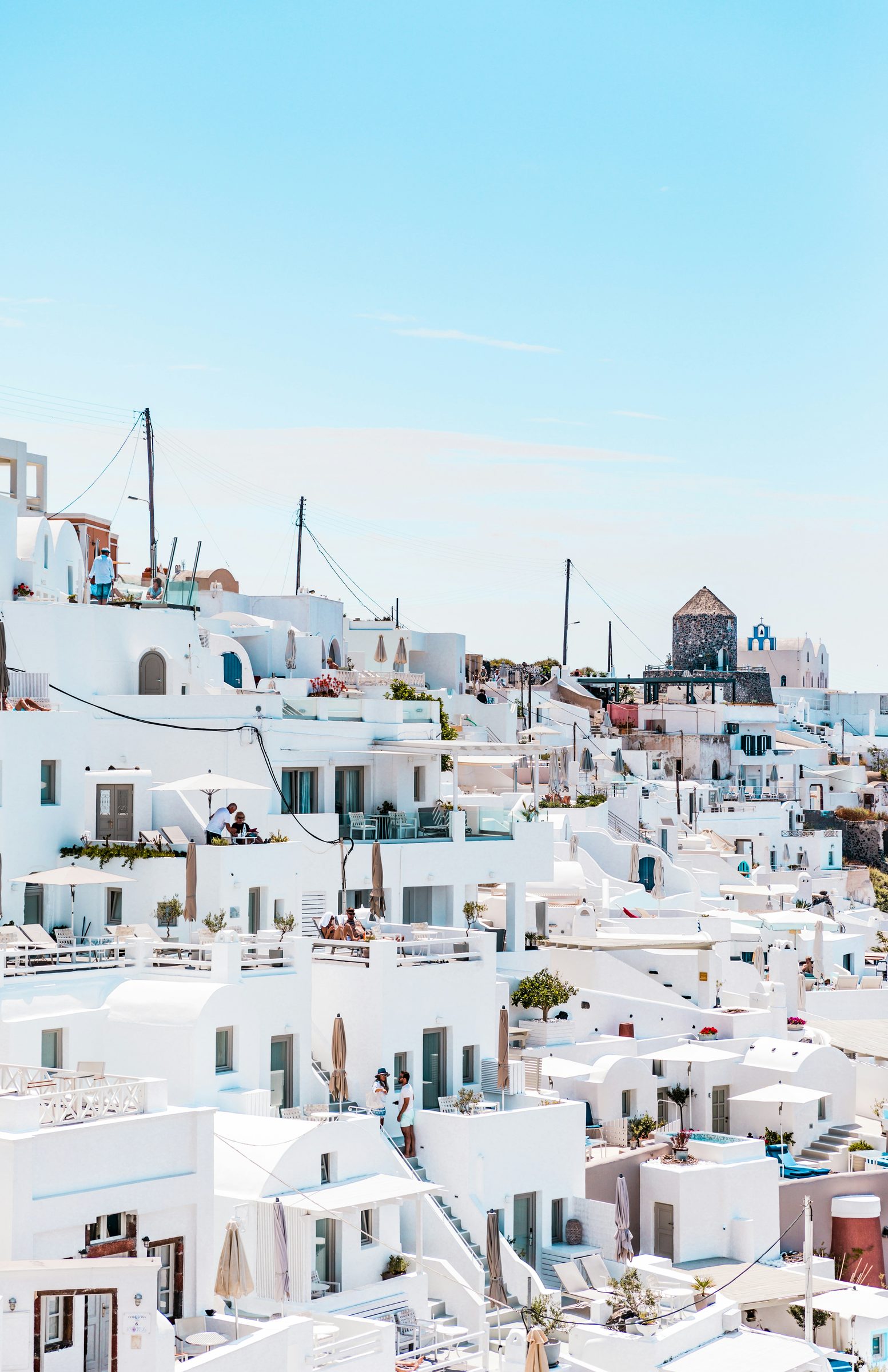
The best time to visit Greece is not a single answer but a question of what you want from it. The country is warm and inviting for half the year, yet the difference between June and August, or between a famous island and a quiet one, can be the difference between the holiday you imagined and a hot, crowded version of it. Get the timing right and Greece is close to perfect: warm seas, long golden evenings, tables by the water and islands that still feel like themselves.
After years of planning Greek holidays for travellers who want the country at its best rather than its busiest, I have learned that the month matters as much as the island. The same beach in late September is a different place from the same beach in mid-August. Here is how the seasons actually feel on the ground, when we send travellers and when we gently steer them elsewhere, so you can choose the moment that suits the holiday you have in mind.
The short answer: late May, June and September
If you want the easy answer, here it is. The best time to visit Greece for most travellers is late May, June and September, with early October a close and quieter fourth. These are the shoulders of the season: warm enough to swim, bright enough for long days, but without the fierce heat and the crush of high summer. The sea is warm, the bougainvillea is out, the tavernas have a table for you, and the islands feel alive without being overwhelmed. For a first trip or a romantic one, this is the window we recommend above all others.
Greece season by season
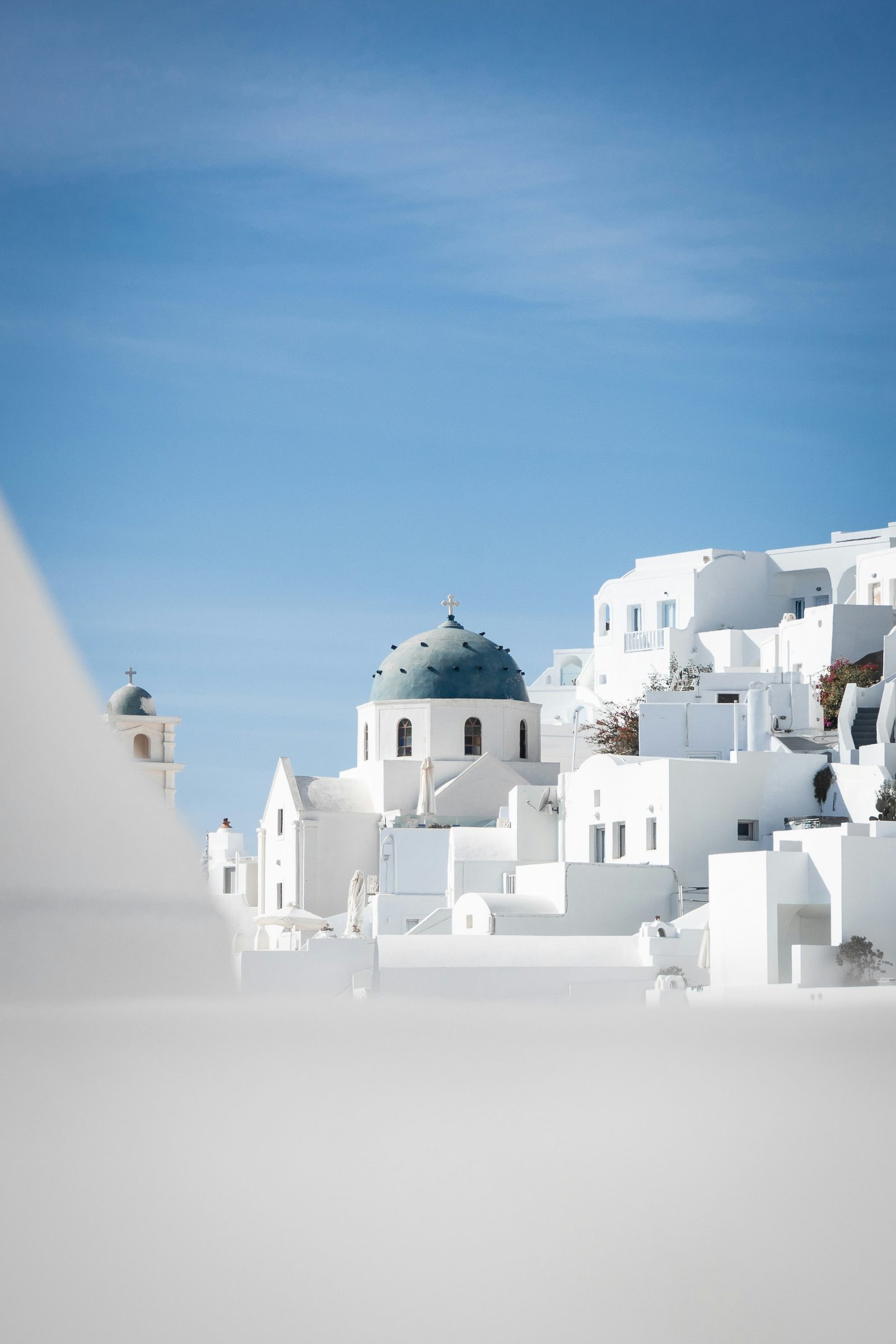
The longer answer rewards a little detail, because each season offers a genuinely different country. Knowing how they feel is the key to choosing well.
Spring, April to May
Spring is Greece at its freshest. The countryside is green and wildflowered, the archaeological sites are cool and uncrowded, and the light is soft and clear. April can still be cool for swimming and a few island hotels have yet to open, but by mid-May the season is in full, gentle swing. It is the ideal time for travellers who care more about culture, walking and the islands' quieter pleasures than about long days on the beach, and prices are at their kindest.
High summer, July to August
July and August are the Greece of the imagination and also the Greece of the crowds. The weather is reliably hot and dry, the sea is at its warmest, and the islands are at their liveliest, but the heat can be fierce, the popular islands are busy, and prices and visitor numbers peak together. It is not a season to avoid altogether, particularly for families tied to the school holidays, but it is one to plan around carefully: the right island, a hotel with shade and sea breeze, and a rhythm to the day that keeps you ahead of the heat and the crowds.
The golden shoulder, September to October
September is, for many of us, the loveliest month of all. The summer crowds have thinned, the sea is at its warmest after a long summer of sun, and the light turns golden and low. The islands exhale. Early October holds much of this magic, with warm seas and quiet beaches, though by late October some island hotels begin to close for the winter. If you can travel without the constraint of school holidays, the golden shoulder is the time we would choose ourselves.
Winter, November to March
Winter belongs to the mainland. Athens is wonderful in the cooler months, its sites uncrowded and its restaurants at their best, and the mountains of the mainland turn to a different kind of holiday altogether. The islands, however, largely close: ferries thin out, many hotels and restaurants shut, and the famous beaches stand empty and beautiful but quiet. For a cultural city break it is a fine time; for the islands of the imagination, it is not.
It depends which Greece you want
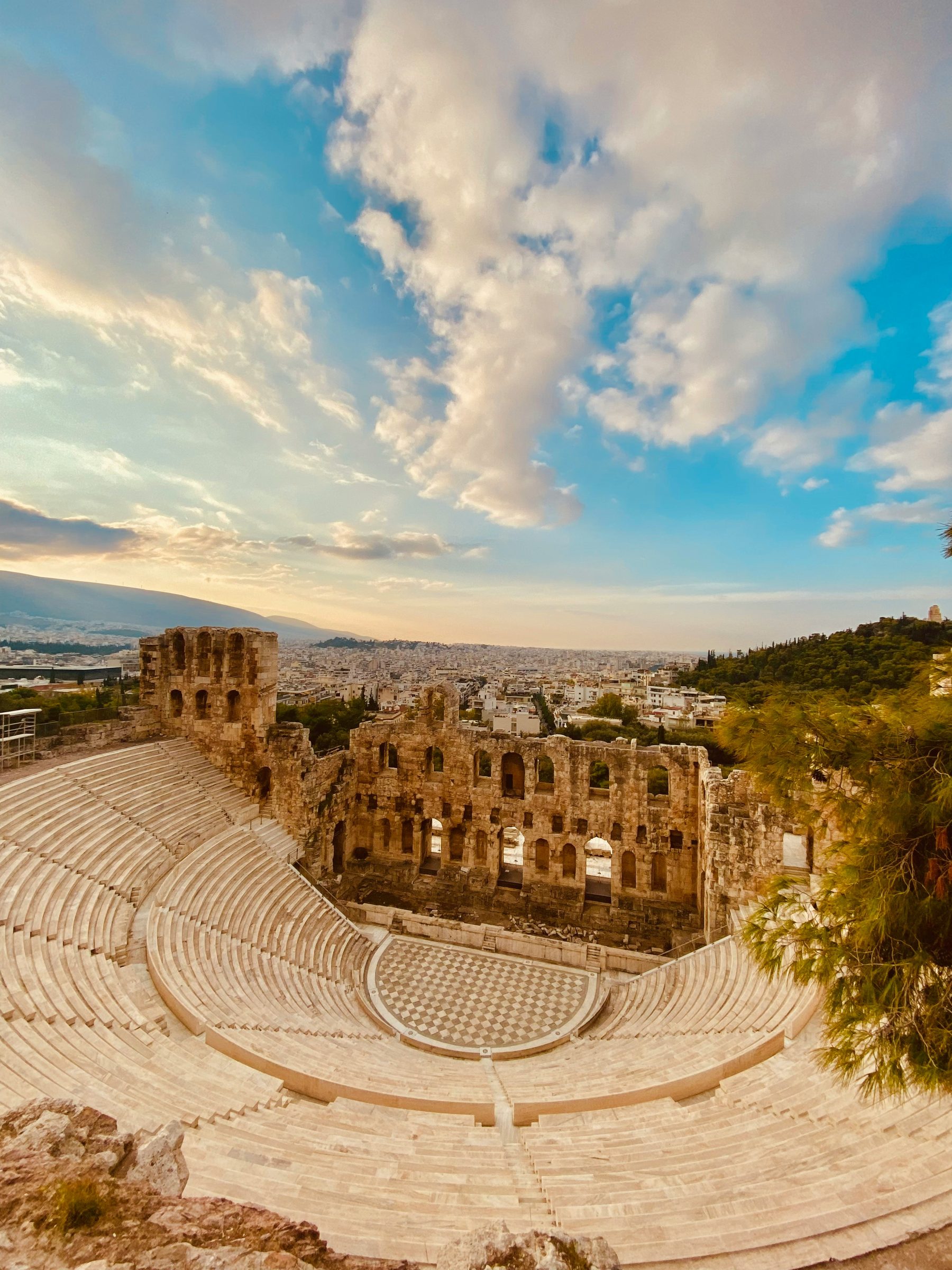
The right month also depends on which Greece you are after, because the country is really several holidays in one. For the classic island summer, sun, sea and long lazy days, June and September are the sweet spot. For culture and the ancient sites, the cooler shoulders of spring and autumn are far more comfortable than the heat of high summer, when midday at an exposed ruin is no pleasure at all. For walking, wildflowers and the green of the landscape, spring is unmatched. We plan the timing around the trip you actually want, not a single rule.
This is the same thinking behind our edit of where to stay in Greece, which pairs naturally with the question of when. The two decisions, where and when, shape a Greek holiday more than anything else, and getting them right together is most of the work.
The islands and the weather
Greece is not one climate but many, and the islands differ more than people expect. The Cyclades, the islands of the classic whitewashed imagination, are reliably hot and dry in summer but exposed to the meltemi, the strong summer wind that can whip up the sea and the dust, particularly in July and August. The Ionian islands to the west are greener, a little softer and less wind-prone. Crete, large and far south, holds its warmth longest and has a season that stretches further into autumn than almost anywhere else.
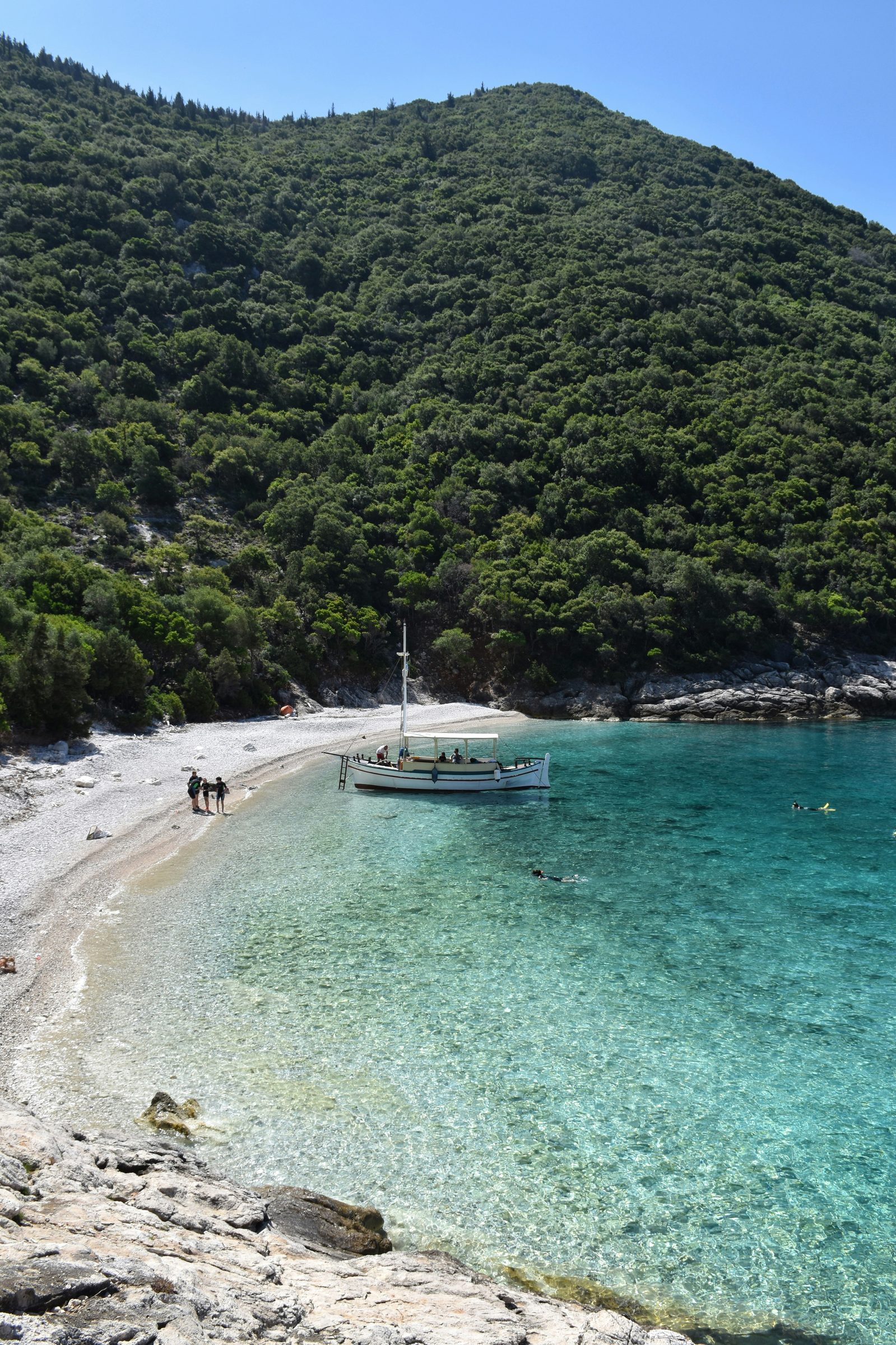
This matters when you choose both the island and the month. A windy week on an exposed Cycladic island in August is a different holiday from a still, golden September on a sheltered Ionian cove. Matching the island to the season, and to how you like to travel, is exactly the kind of detail we weigh up, and our guide to the Greek islands sets out which suits which kind of trip.
Avoiding the crowds
Even in the busy months, Greece can feel almost private if you travel thoughtfully. The crowds concentrate on a handful of famous islands and a few honeypot towns; step slightly aside and the country opens up. Travel in the shoulder season where you can, choose a quieter island or a quieter corner of a famous one, explore by private boat rather than the ferry crush, and time your sightseeing for early morning or the cool of the evening. These are the small decisions that keep you ahead of the crowds, and they are the heart of how we plan.
For travellers who want to be on the water rather than fighting for a sunlounger, our sea and island experiences open up the coves and crossings that the day-trippers never reach. It is the difference between seeing Greece and having a little of it to yourselves. Before you book flights, it is always worth checking the current GOV.UK travel advice for Greece for any seasonal or entry considerations.
Where to stay in Greece
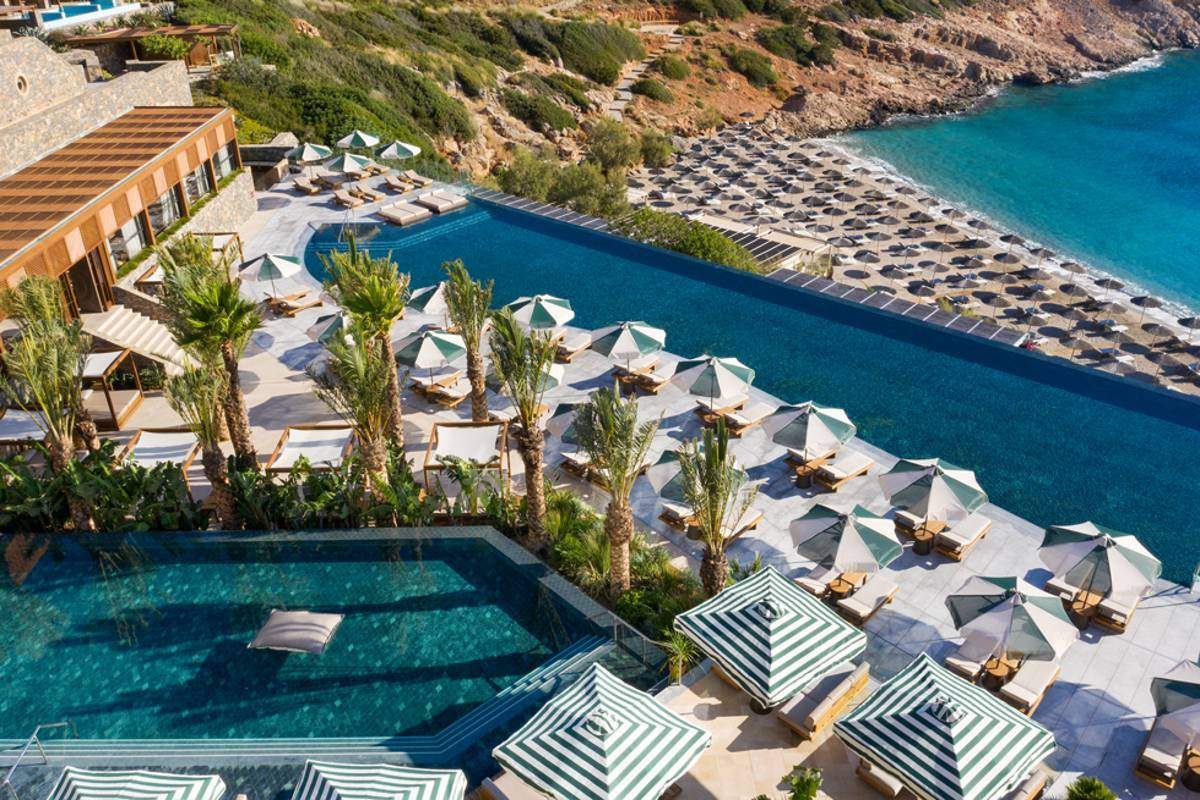
Timing decides the month; the hotel decides the holiday. Across the islands and the mainland, the addresses we return to include Amanzoe, the minimalist hilltop hideaway above the Peloponnese, the design-led One&Only Aesthesis on the Athens Riviera, Daios Cove and its private coves on Crete, the Four Seasons Astir Palace outside Athens, and Ikos Kissamos for families who want beautiful all-inclusive ease. Our full, honest shortlist for luxury Greece lives on the destination page, with our notes on which suits couples, which suits families, and which rooms have the view worth paying for.
How we plan a Greece trip
The timing is the foundation, but a beautiful Greek holiday is built on top of it: the right island for the month, a hotel chosen for how you will actually use it, the boat secured for the right days, the tables held before they vanish, and the seamless transfers that turn a fiddly island-hop into a pleasure. Greece is gloriously simple to enjoy and surprisingly fiddly to arrange well, with its ferries, its flights and its short, precious season, and that is precisely where a good concierge earns their place.
We match the island and the month to the holiday you want, pair Greece with a few cultured nights in Athens or a contrasting finish in Italy where it suits, and handle the quiet logistics so you simply arrive and enjoy it. The stays we trust most across the islands and the mainland are gathered in The Atlas Edit, and a sample route through the country lives in our Athens and Crete itinerary.
Whenever you choose to go, Greece rewards those who travel just outside the obvious. When you are ready to plan yours, tell us how you like to travel and we will shape it around you, island by island and month by month.
Frequently asked questions
What is the best time to visit Greece?
Late May, June and September are the loveliest months: warm, bright and swimmable, but without the high-summer heat and crowds. Early October is a quiet secret, with warm seas and golden light. July and August are the busiest and hottest, so we usually steer travellers towards the shoulders of the season.
When is the cheapest time to visit Greece?
The shoulder months of May and late September to October offer the best balance of good weather and lower prices, while spring and autumn proper are quieter and better value still. High summer in July and August is the most expensive and the busiest, so travelling just outside it rewards you twice over.
Is the sea warm enough to swim in Greece in autumn?
Yes. The sea holds its summer warmth well into October, so early autumn often has the warmest, calmest water of the year, with far fewer people sharing it. It is one of the reasons we love September and October for the islands.
When should I avoid visiting Greece?
If you dislike heat and crowds, avoid the peak of July and August, particularly on the busiest islands, when temperatures soar and prices and visitor numbers peak together. Winter is beautiful in Athens and the mainland but quiet on the islands, where many hotels and restaurants close.
What is the best month to visit the Greek islands?
June and September are our favourite months for the islands: warm seas, long days, lively but not overwhelmed. May and early October are quieter still and beautiful, ideal for travellers who want the islands at their calmest.

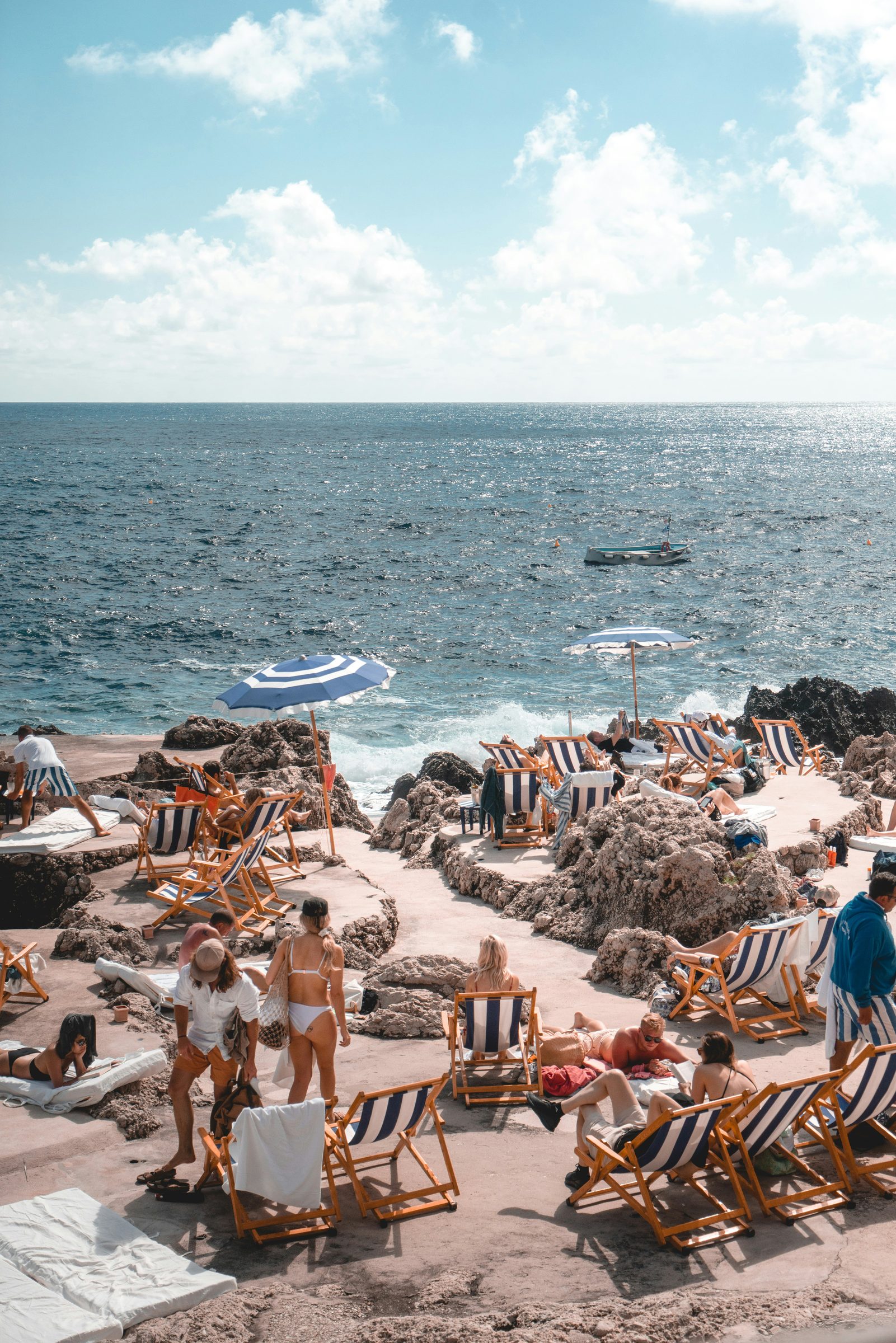
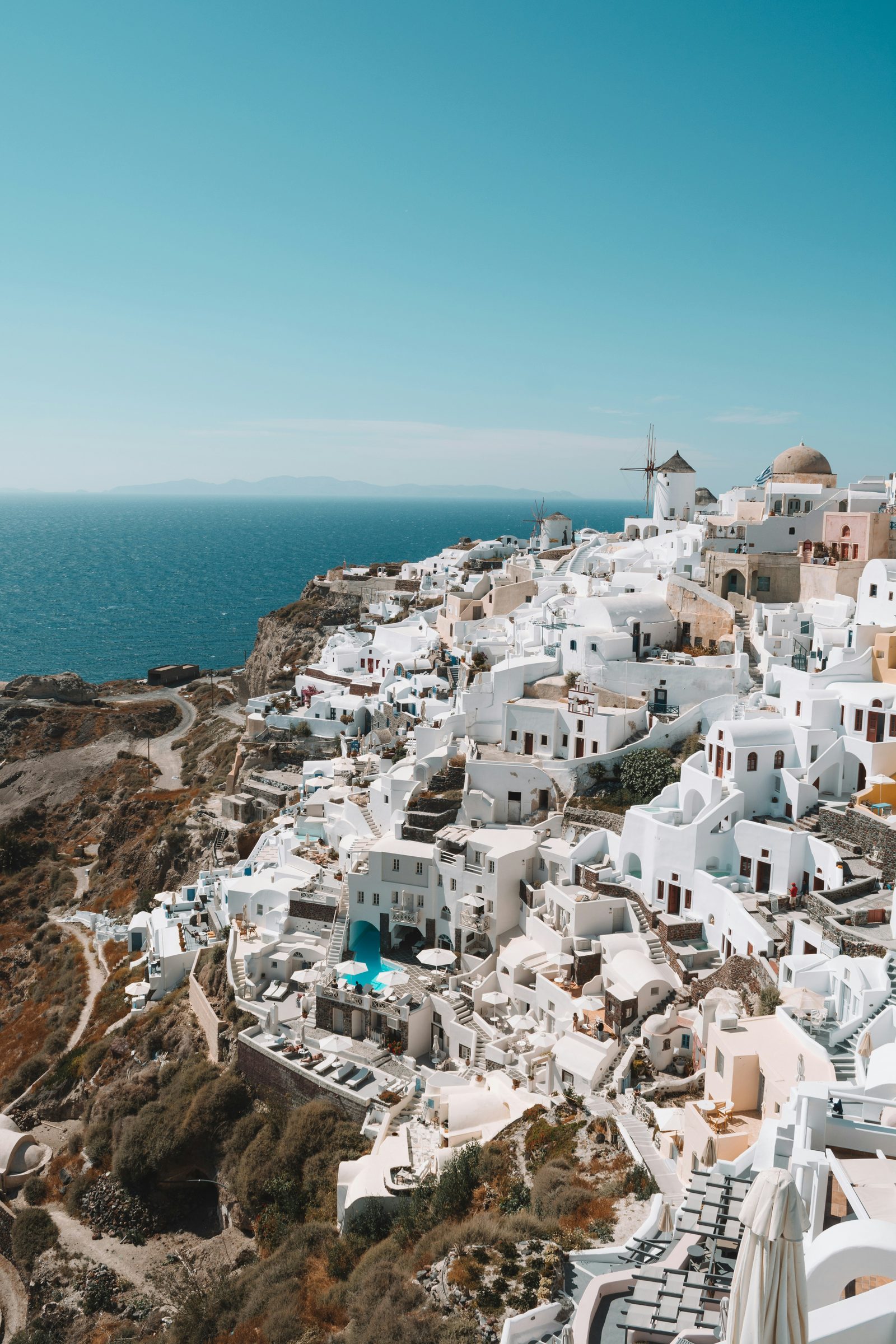
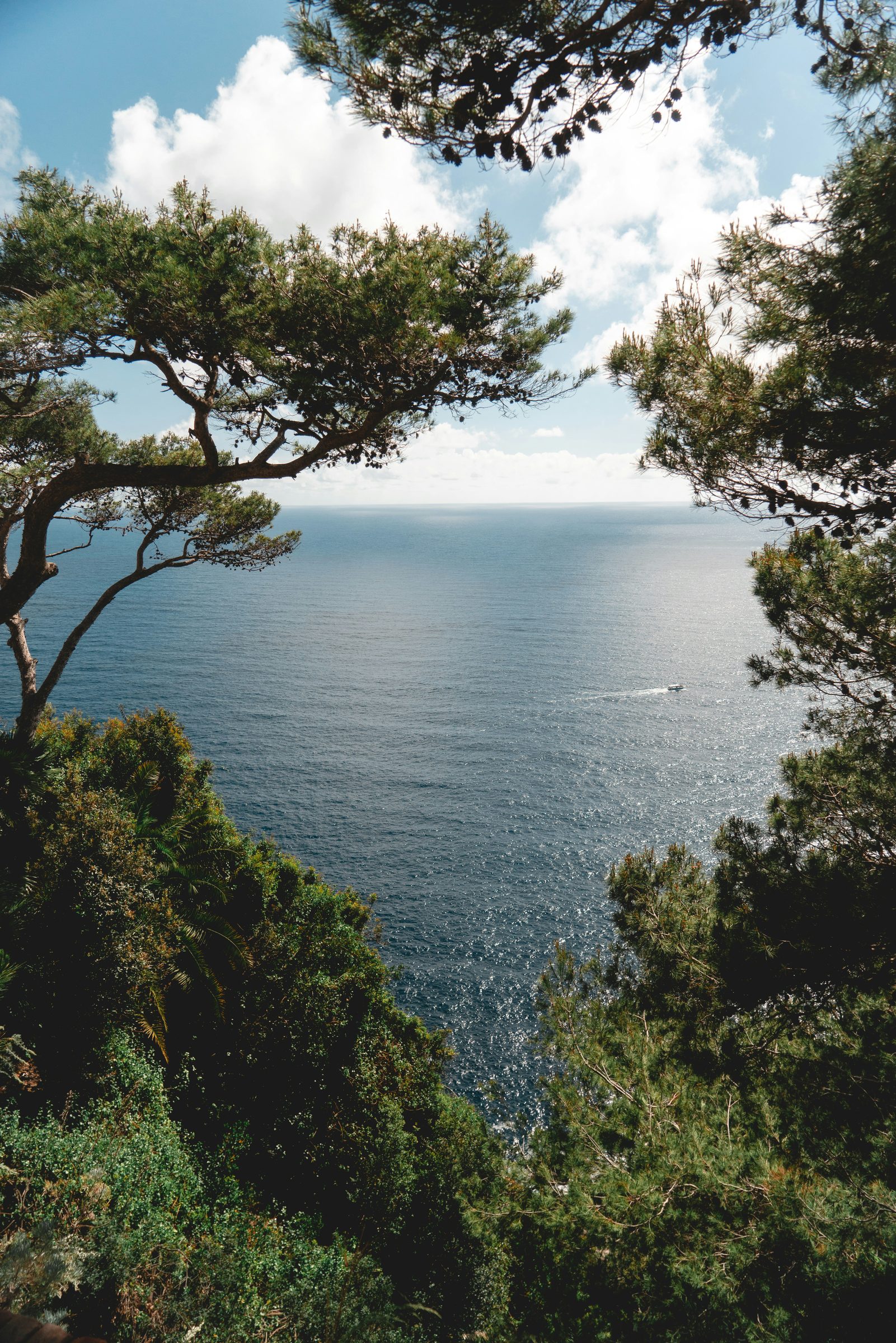
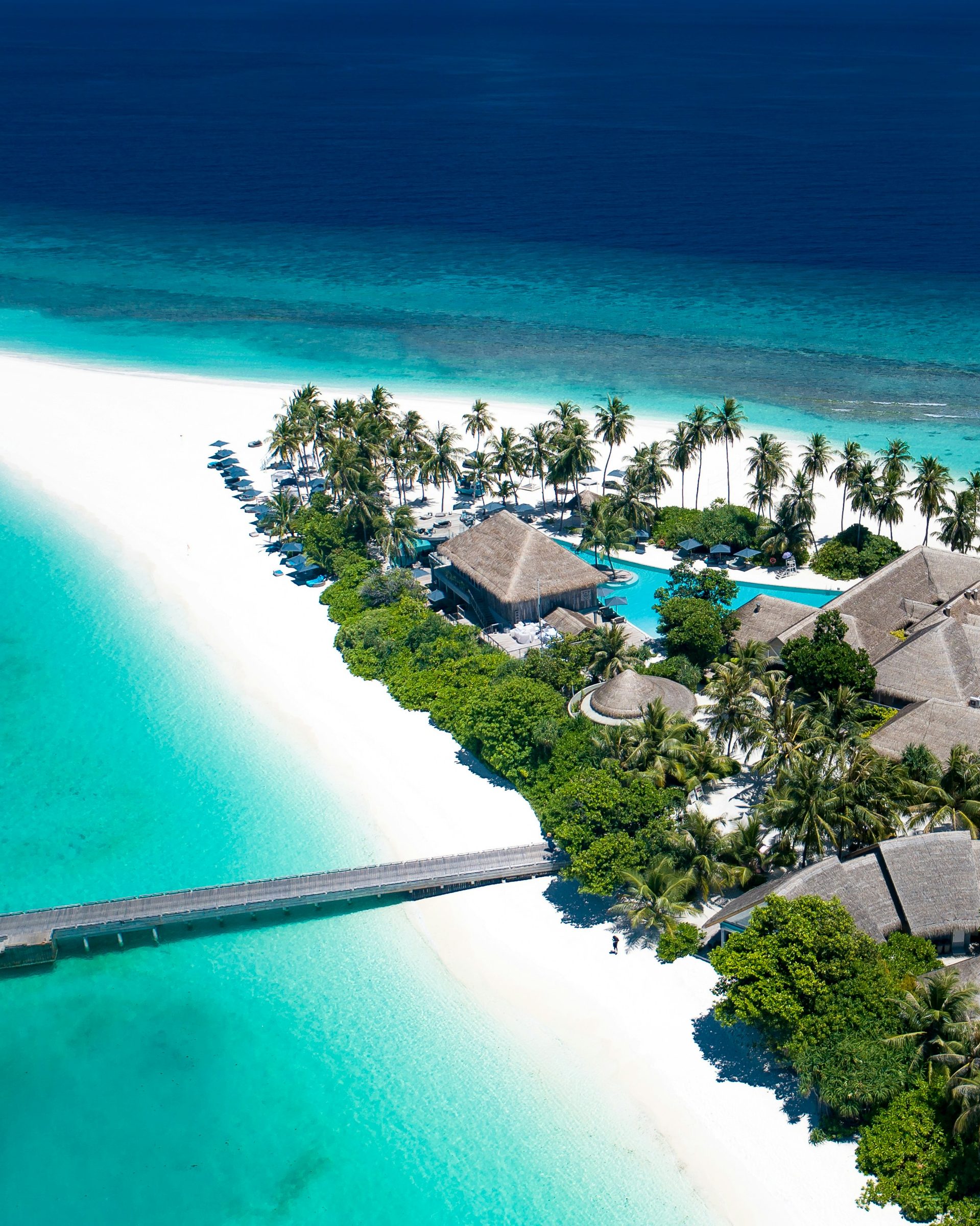
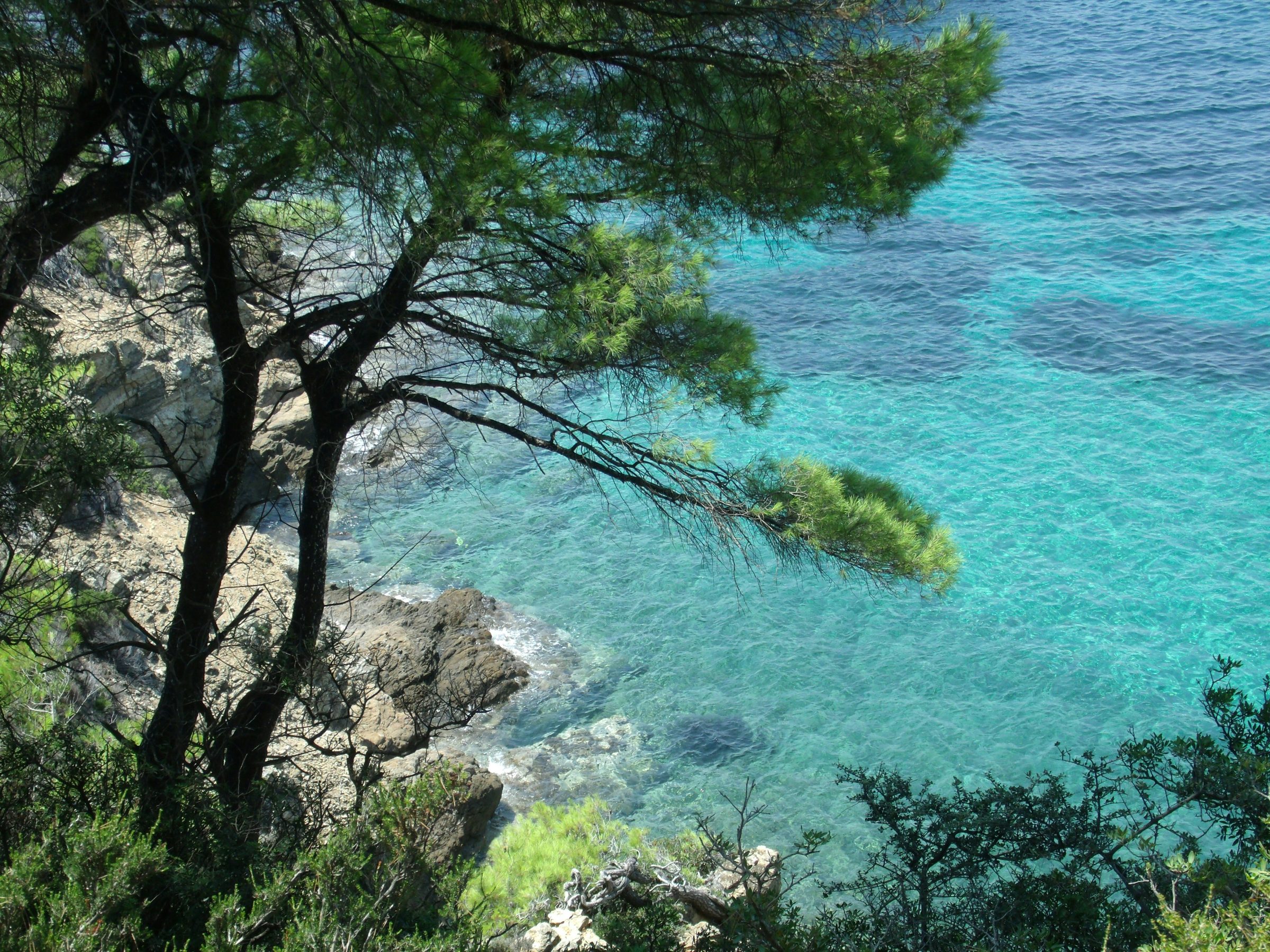
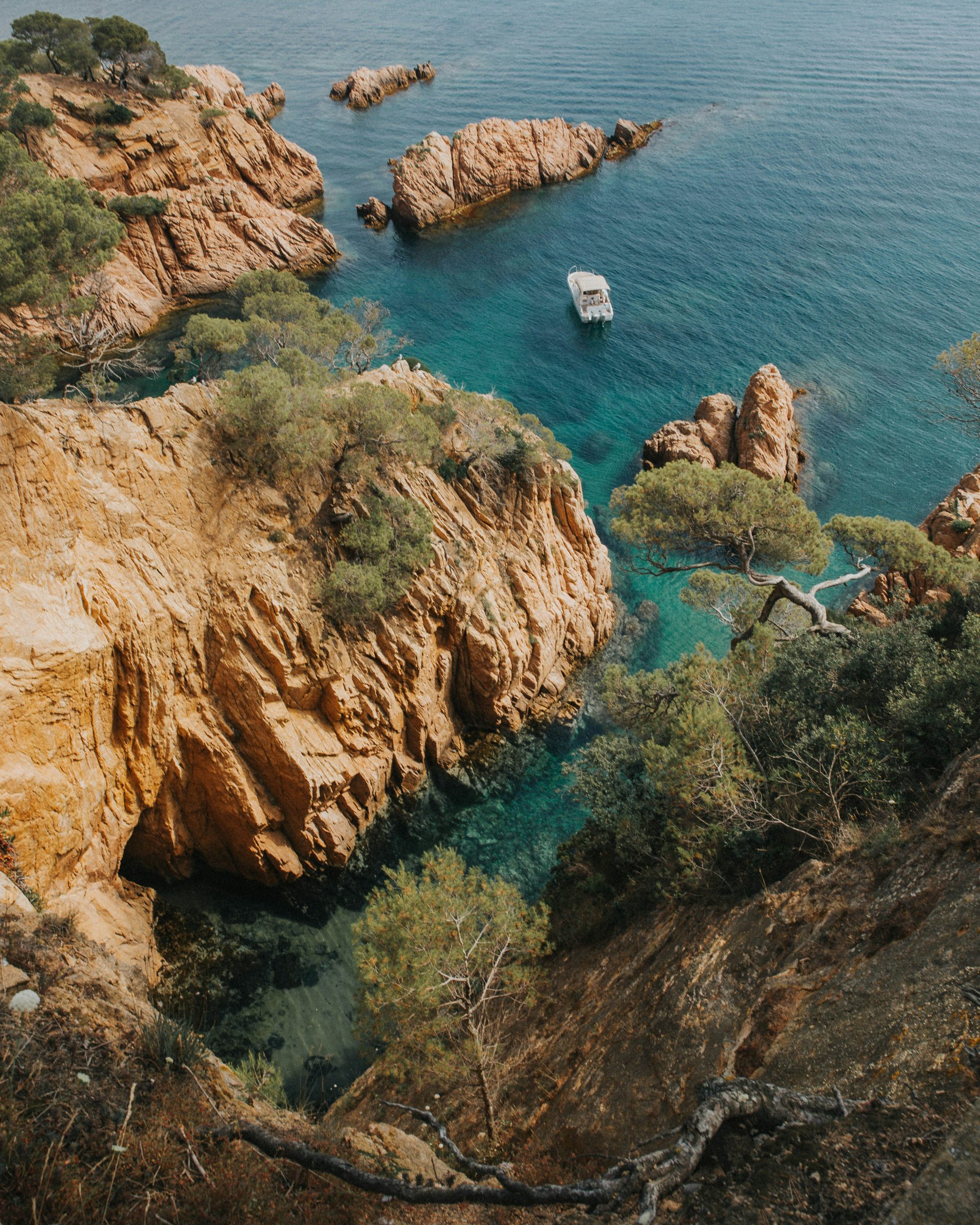
warm seas and golden light
Let us plan your Greece, at exactly the right moment.
Tell us your dates and how you like to travel, and we will choose the island, the month and the stays to suit you.
Plan My Greece Trip